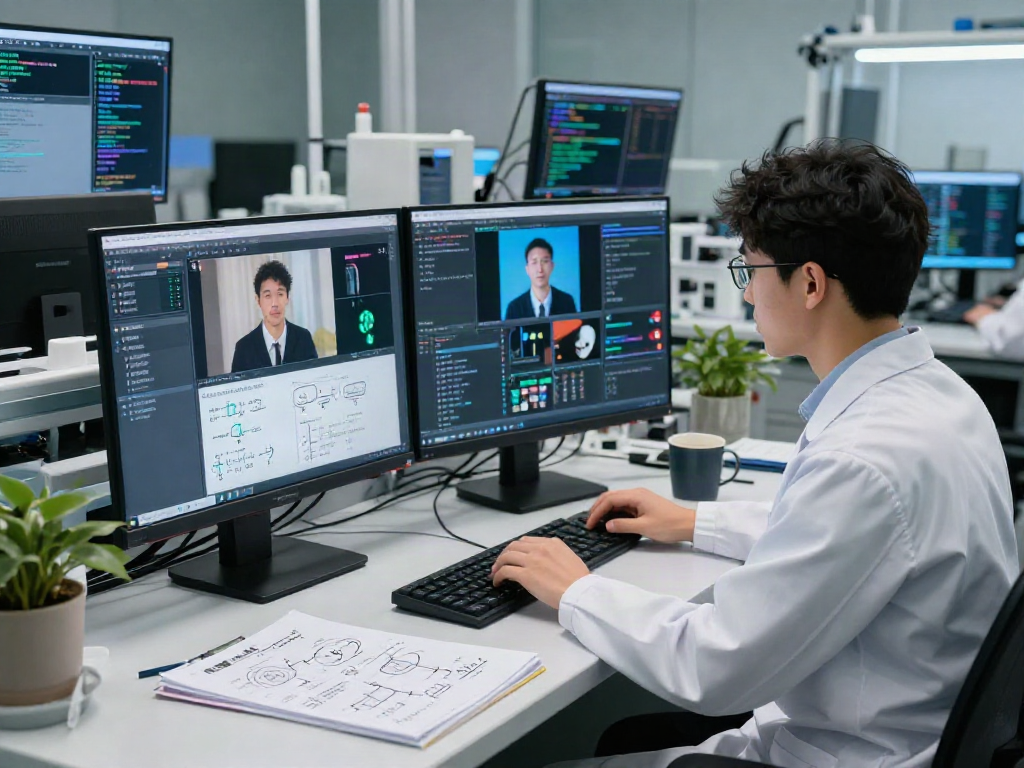
Understanding AI-Generated Image Detection Technology
As artificial intelligence continues to permeate various facets of our lives, the emergence of AI-generated images presents both exciting opportunities and significant challenges. AI-generated image detection technology serves a crucial purpose: it helps individuals and organizations understand whether an image has been produced by an AI model or is an authentic photograph. With the proliferation of deepfakes and synthetic media, the need for reliable AI-Generated Image Detection technology has never been more critical.
What is AI-Generated Image Detection?
AI-generated image detection refers to techniques and tools used to identify images that have been created or manipulated by artificial intelligence algorithms. These technologies leverage machine learning, computer vision, and image forensics to analyze visual content and ascertain its origin. The rise of AI image generators, such as DALL-E, Midjourney, and Stable Diffusion, has intensified the focus on developing efficient detection methods to differentiate between human-created and machine-generated images.
The Science Behind AI Detection Systems
The underlying science of AI-generated image detection is rooted in advanced neural network architectures, particularly convolutional neural networks (CNNs). These networks are trained on vast datasets containing both AI-generated and authentic images, enabling them to learn the unique patterns and characteristics of each category. During evaluation, these systems apply learned parameters to assess new images, providing a probability score that indicates whether the image is AI-generated or not.
Key Terminology for AI Image Detection
- Deepfakes: Media that has been convincingly altered using AI technology to misrepresent reality.
- Generative Adversarial Networks (GANs): A class of machine learning frameworks used for generating synthetic images by pitting two neural networks against each other.
- Forensic Analysis: The scientific examination of images to uncover evidence of manipulation or generation by AI.
- Image Artifacts: Visual anomalies or distortions in images that can indicate AI generation.
Applications of AI-Generated Image Detection
AI-generated image detection technologies have a wide array of applications across multiple domains. As concerns about misinformation and manipulated media grow, the integration of detection solutions has become imperative in ensuring authenticity and trustworthiness.
Using AI Detection in Social Media and Content Platforms
Social media platforms are at the forefront of the battle against misinformation. By implementing AI-generated image detection tools, these platforms can automatically flag or remove suspicious images before they escalate. For instance, platforms like Facebook and Twitter use such technologies to combat the spread of deepfake content, ultimately preserving the integrity of user-generated content.
Impact on Journalism and Media Authenticity
In journalism, the authenticity of images is paramount. News organizations increasingly rely on AI detection tools to verify the credibility of images used in reporting. This practice not only strengthens journalistic integrity but also builds trust with audiences who demand accurate and reliable information.
Real-World Case Studies of Successful Implementation
Several high-profile incidents have showcased the effectiveness of AI-generated image detection. For example, during elections, various news outlets have reported successful detection and debunking of manipulated images circulating on social media, preventing potential misinformation from influencing public opinion. These case studies underline the significance of implementing robust detection systems across different sectors.
Challenges in AI-Generated Image Detection
Despite the advancements in AI-generated image detection technology, various challenges remain that complicate its effectiveness. Understanding and addressing these challenges is essential for the continued evolution of detection solutions.
Common Misconceptions About AI Detection
A prevalent misconception is that AI detection tools can achieve 100% accuracy, which sets unrealistic expectations. The technology is constantly evolving, and while it may not be foolproof, it is continuously improving to reduce false positives and negatives.
Technical Limitations and Solutions
Detection algorithms can struggle with certain types of image manipulation, particularly if the AI-generated images are designed to closely mimic human-created visuals. One way to overcome these limitations is through the incorporation of hybrid approaches that combine multiple detection methods and human oversight, creating a more robust evaluation process.
Ethical Considerations in AI Detection Technology
The ethical implications surrounding AI-generated image detection are significant. Concerns over privacy, consent, and the potential for misuse of detection tools necessitate careful consideration. As technology advances, it will be vital for developers and policymakers to collaborate in establishing guidelines that ensure ethical usage of detection technologies.
Best Practices for Implementing AI-Generated Image Detection
Successful implementation of AI-generated image detection systems requires a strategic approach. Here are some best practices to consider:
Strategies for Effective Detection Methodology
- Utilize a multi-layered detection approach that combines various technologies for cross-validation.
- Regularly update detection algorithms to keep pace with advancements in AI generation techniques.
- Implement user-friendly interfaces that allow for seamless integration with existing systems.
Tips for Integrating AI Detection in Existing Systems
Organizations should focus on thorough training of stakeholders on how detection tools function and the benefits they provide. Ensuring that teams are equipped with the necessary knowledge will enhance the effectiveness of these systems in practice.
Measuring Success: Metrics and KPIs
To assess the effectiveness of AI-generated image detection systems, organizations should establish clear metrics and key performance indicators (KPIs). Metrics such as detection accuracy, processing speed, and user engagement can provide insights into the performance and areas for improvement of the systems in use.
Future Trends in AI-Generated Image Detection
The landscape of AI-generated image detection is ever-evolving, with numerous trends shaping its future. Staying abreast of these trends will be essential for organizations aiming to lead the charge in combating misinformation and promoting authenticity.
Emerging Technologies Shaping the Industry
Technologies, such as quantum computing and advanced neural networks, are set to revolutionize AI-generated image detection. These innovations promise enhanced processing capabilities and more nuanced understanding of image artifacts, paving the way for more reliable detection methods.
Predictions for AI Detection Capabilities in 2026
By 2026, we can expect AI-generated image detection tools to achieve near real-time results with significantly improved accuracy. Advances in machine learning will likely enable these tools to evolve continuously, adapting to new generation methods and recognizing them more swiftly than ever before.
Expert Insights on the Evolution of AI Detection
Industry experts suggest that as AI-generated content becomes more sophisticated, the tools for detection will need to be equally advanced. Collaboration between researchers, technology developers, and regulatory bodies will be key to ensuring a balanced approach that fosters innovation while safeguarding against misuse.
What are the benefits of using AI-generated image detection?
AI-generated image detection provides numerous benefits, including safeguarding against misinformation, preserving the integrity of digital content, and enhancing trust among users. These tools empower individuals and organizations to verify the authenticity of images, ultimately contributing to a more informed society.
How accurate are current AI-generated image detection tools?
While current AI detection tools exhibit impressive accuracy rates, they are not infallible. The effectiveness of these tools can vary based on the complexity of the manipulation and the quality of the underlying algorithms. Continuous training and access to diverse datasets are crucial for maintaining high accuracy levels.
What industries can benefit from AI-generated image detection?
AI-generated image detection has far-reaching applications across various industries, including journalism, digital marketing, educational platforms, and social media. As each sector grapples with issues related to image authenticity, the deployment of these tools can significantly enhance trust and reliability.
How does AI-generated image detection work?
AI-generated image detection typically involves training models on large datasets of authentic and synthetic images. Through the application of robust algorithms, these models learn to identify distinguishing features and patterns that indicate whether an image has been generated by AI.
What ethical issues are associated with AI-generated image detection?
Ethical issues in AI-generated image detection revolve around privacy, consent, and the potential for misuse of detection technologies, particularly in contexts where they may infringe on individual rights. It is essential to establish clear regulations that govern the use of these tools to protect individuals while fostering innovation.