
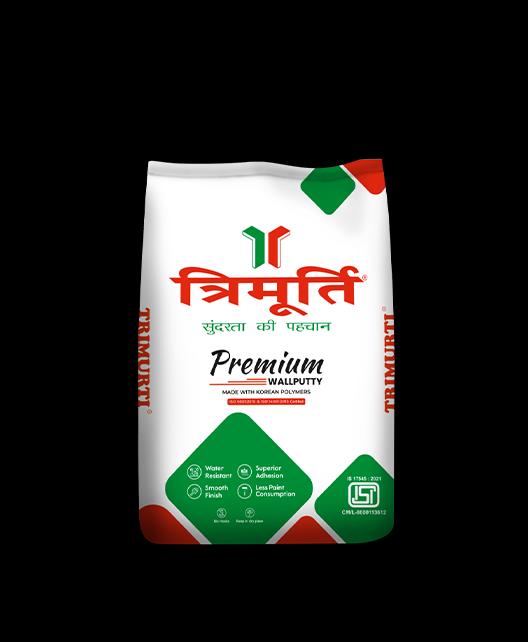
A newly built home often represents years of planning, investment, and personal vision. But what happens when the final paint job does not deliver the smooth, elegant appearance you imagined? Uneven surfaces, visible patches, minor cracks, and a dull finish can make even a beautifully designed house feel incomplete. This is where proper wall putty application becomes a crucial part of the construction process, helping create a stronger foundation for the final decorative finish.
Many homeowners focus heavily on flooring, lighting, furniture, and exterior design while treating wall finishing as a final step. However, walls cover the largest visible areas of any home, and small mistakes during preparation can significantly impact the overall look. Understanding common finishing errors can help homeowners make better decisions and avoid unnecessary repair costs later.
Why Wall Finishing Decisions Matter More Than Most Homeowners Realise
A home’s appearance is not determined only by the paint colour selected or the quality of interior décor. The condition of the underlying surface plays an equally important role. Paint can enhance a wall, but it cannot completely hide poor preparation.
A properly finished wall provides:
● A smoother surface for paint application
● Better visual appeal after completion
● Reduced chances of surface imperfections becoming noticeable
● Improved durability of the final coating
When finishing work receives less attention during construction, homeowners may eventually spend additional money correcting issues that could have been prevented at the beginning.
9 Wall Finishing Mistakes That Can Affect Your Home’s Final Appearance
1. Applying Paint Before Preparing the Surface Properly
One of the most common mistakes is rushing directly into painting without preparing the wall surface. Newly constructed walls often contain minor uneven areas, pores, dust, and construction residue that can affect paint adhesion. A smooth and clean surface allows paint to spread evenly and achieve the intended finish. Skipping preparation may result in patchy colours, uneven textures, and a less polished appearance.
2. Ignoring Small Cracks and Surface Imperfections
Tiny cracks may seem insignificant during construction, but they can become more visible after painting. When walls expand and contract due to environmental changes, untreated imperfections can develop into larger issues. Before final finishing, homeowners should ensure that cracks, holes, and uneven areas are properly addressed. Early correction reduces the possibility of repeated maintenance work in the future.
3. Choosing Materials Without Considering Wall Conditions
Not every wall surface has the same requirements. Factors such as construction material, moisture exposure, and surface condition influence the type of finishing approach needed. Selecting suitable materials helps create a better foundation for decorative coatings. A finishing solution should complement the wall condition rather than simply being chosen based on cost alone.
4. Overlooking the Importance of Proper Surface Leveling
A wall may appear acceptable during construction but show imperfections once light reflects across the painted surface. Uneven leveling can create visible waves, shadows, or inconsistent textures. Professional finishing focuses on creating uniform surfaces before applying final coatings. This step plays a major role in achieving a premium appearance.
5. Using Low-Quality Finishing Products to Reduce Costs
Construction budgets require careful planning, but reducing costs in critical areas can create expensive problems later. Finishing materials directly influence how walls look and perform over time. A lower upfront expense may lead to frequent repairs, repainting requirements, or dissatisfaction with the final result. Investing in reliable materials during construction can support long-term value.
6. Applying Finishing Materials Incorrectly
Even high-quality materials may not perform effectively without proper application techniques. Incorrect mixing, uneven application, or insufficient drying time can affect the final outcome. Experienced professionals understand how to prepare surfaces, apply materials evenly, and ensure proper finishing standards. Their expertise helps prevent avoidable mistakes during the construction process.
7. Forgetting About Long-Term Maintenance Needs
Many homeowners evaluate finishes based only on their immediate appearance. However, a good wall finish should also support durability and easier maintenance. A well-prepared surface helps paint remain attractive for longer and reduces issues caused by peeling, uneven textures, or surface damage.
8. Focusing Only on Interior Walls
While interiors receive significant attention, exterior walls also require careful finishing. Exterior surfaces face challenges such as weather exposure, temperature changes, and moisture. Ignoring exterior finishing quality can affect both the appearance and structural protection of the home. A complete construction approach considers every visible surface of the property.
9. Making Finishing Decisions Too Late
Wall finishing should not be treated as an afterthought once every other construction activity is complete. Late decisions can limit options and create delays in project completion. Planning finishing requirements early allows homeowners, contractors, and designers to select suitable materials and follow the correct process without unnecessary pressure.
How Homeowners Can Create a Better Wall Finish From the Beginning
A successful finishing process begins with proper planning. Homeowners can improve their construction experience by discussing wall preparation requirements early with contractors and understanding the steps involved.
Some practical considerations include:
● Inspecting wall surfaces before final coating work begins
● Selecting suitable finishing materials based on construction needs
● Ensuring adequate drying and curing time
● Hiring experienced professionals for application work
● Avoiding decisions based only on the lowest price
These small steps can significantly influence the final appearance and durability of the home.
Professional Guidance Can Prevent Costly Finishing Mistakes
Many finishing problems occur because homeowners underestimate the technical aspects involved in achieving smooth walls. Surface preparation requires attention to detail, suitable materials, and proper application methods. A professional approach helps identify potential issues before they become visible after painting.
From evaluating surface conditions to selecting the right putty for walls, every decision contributes to creating a refined and lasting finish. A beautiful home is not only about impressive designs and premium interiors. The quality of basic construction details often determines how well the final result comes together.
Conclusion
Building a dream home requires attention to every stage of construction, including the finishing details that influence the final appearance. Uneven surfaces, poor preparation, and incorrect material choices can reduce the impact of an otherwise well-designed property. Homeowners who prioritise quality finishing from the beginning can avoid unnecessary repairs and enjoy a more polished living space. Trimurti helps homeowners and professionals make informed finishing decisions by offering reliable solutions designed for better surface preparation. Understanding factors such as trimurti putty price can also help buyers plan their construction budget while maintaining quality standards.