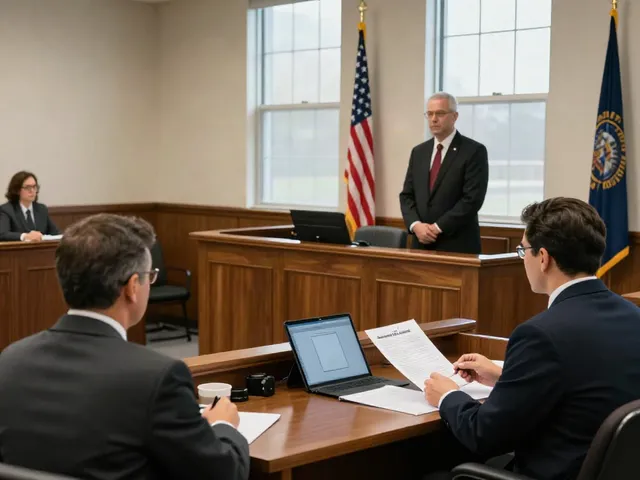
What is Probate?
Definition of Probate
Probate is a legal procedure that involves the validation of a deceased person’s will. In general, this process is conducted in a courtroom, where a judge oversees the distribution of the deceased’s assets according to their last testament. With the objective of establishing a public record confirming the will’s authenticity, probate ensures that any debts, taxes, and remaining assets are organized and settled methodically. For instance, in common law jurisdictions, the probate process serves as a crucial mechanism for the deceased to have their wishes honored posthumously.
Importance of Probate in Estate Planning
The significance of probate in estate planning cannot be overstated. Probate acts as a safeguard that ensures that the deceased's assets are transferred correctly and legally to the rightful heirs. This process reduces disputes among family members, as it provides a clear framework for asset distribution. Additionally, it allows executors to settle the deceased's debts, ensuring that no outstanding obligations are overlooked. Engaging in proper estate planning that incorporates the understanding of Probate can greatly mitigate the stress and confusion that often accompanies managing an estate after a loved one’s passing.
Key Terms Related to Probate
- Executor: The person appointed to administer the will and manage the estate through the probate process.
- Intestate: The condition of dying without a valid will, following which the estate is distributed according to state laws.
- Beneficiary: An individual or organization designated to receive assets from the deceased’s estate.
- Estate: The total sum of a person's assets, liabilities, and property, which is subject to probate after death.
- Letters Testamentary: A document issued by the court that grants the executor authority to act on behalf of the deceased’s estate.
The Probate Process Explained
Steps Involved in Probate
The probate process typically unfolds in several logical steps:
- Filing the Petition: The executor submits the will to the probate court, accompanied by a petition for probate.
- Notifying Heirs: All heirs and beneficiaries must be notified about the probate proceedings.
- Inventorying Assets: The executor compiles a comprehensive inventory of the deceased’s assets, assessing their total value.
- Settling Debts: Debts and taxes due by the estate must be resolved by liquidating assets if necessary.
- Distribution of Assets: Once all debts are paid, the remaining assets are distributed to the beneficiaries as stipulated in the will.
- Closing the Estate: The executor files a final accounting with the court to formally close the probate process.
Duration of the Probate Process
The duration of the probate process can vary widely, influenced by factors such as the complexity of the estate, the number of beneficiaries, and whether the will is contested. On average, probate may take anywhere from several months to over a year to complete. Estates that are simple, with few assets and straightforward distributions, may be resolved relatively quickly, while more complicated estates can extend the timeline considerably. Understanding these timeframes can help beneficiaries manage expectations during this crucial period.
Common Challenges in Probate
During the probate process, several challenges may arise:
- Will Contests: Disputes can erupt among heirs regarding the validity of the will, often resulting in delayed processing.
- Missing Assets: If the executor fails to locate or account for all assets, it can lead to complications and potential liability.
- Debt Management: Executors must navigate settling debts accurately, balancing the needs of creditors against the distributions to beneficiaries.
- Legal Fees: The costs associated with probate can accumulate, potentially diminishing the estate value when not adequately planned.
Addressing these challenges proactively through prudent estate planning can significantly streamline the probate process.
Probate Without a Will
Intestacy and Its Implications
When someone dies without a valid will, they are considered to have died intestate. In such cases, state laws dictate the distribution of assets, which may not align with the deceased's wishes. This can lead to unintended beneficiaries receiving assets or disputes arising among family members over who inherits what. Each jurisdiction has its own intestacy laws, which often prioritize spouses and children before extending to more distant relatives.
How Courts Distribute Assets
In cases of intestacy, probate courts follow a specific hierarchy to distribute assets. Typically, the order of inheritance starts with the surviving spouse and children. If there are no immediate family members, the court may consider parents, siblings, and subsequently more distant relatives. This legal framework aims to honor familial ties, but without a will, it can overlook the deceased's intentions and lead to family disputes.
Understanding Heirs and Beneficiaries
Heirs and beneficiaries play distinct roles in the probate process. Heirs are individuals entitled to inherit under state laws, while beneficiaries are those designated in a will or trust. Without a will, understanding one’s status as an heir becomes significant because it directly influences the asset distribution process. Engaging in conversations with family members about wishes prior to passing can help clarify these roles and potentially reduce future conflicts.
Avoiding Probate: Strategies and Options
Living Trusts as an Alternative
Establishing a living trust is one of the most effective strategies to avoid probate. Unlike a will, assets placed in a trust can bypass the probate process entirely, allowing for immediate transfer upon death. This arrangement requires the grantor to transfer ownership of their assets into the trust during their lifetime, enabling beneficiaries to administer them seamlessly after the grantor's passing. This method not only avoids probate but also maintains privacy, as trusts are not subjected to public record.
Joint Ownership of Assets
Another tactic to bypass probate is holding assets in joint ownership with right of survivorship. This means that when one owner dies, the surviving owner automatically inherits the asset without it going through probate. Commonly used for bank accounts and real estate, this strategy ensures quick and hassle-free asset transfer. However, it’s crucial to approach this option wisely, as it can complicate matters if the surviving owner has debts or legal issues.
Beneficiary Designations
Assets such as life insurance policies, retirement accounts, and bank accounts can include beneficiary designations that permit direct transfer of ownership to the named individuals upon the account holder’s death. By implementing these designations accurately, individuals can effectively avoid the probate process for these specific assets. Regularly reviewing and updating these designations can ensure that they reflect current intentions and familial dynamics.
FAQs about Probate
What assets typically do not pass through probate?
Assets like life insurance policies, retirement accounts, and accounts with designated beneficiaries usually bypass probate, going directly to the named individuals.
How does California probate work?
California probate includes filing the will with the court, notifying beneficiaries, inventorying assets, resolving debts, and distributing the remaining estate under judicial supervision.
What is the point of probate?
Probate ensures that a deceased's assets are distributed legally and according to their wishes, allowing for debt settlement and clarifying the transfer of ownership.
Can probate be avoided entirely?
Probate can be avoided through methods like establishing a living trust, designating beneficiaries, and holding property in joint ownership.
What costs are associated with probate?
Probate costs may include court fees, attorney fees, executor fees, and other related expenses, which can significantly reduce the estate’s total value if not planned for.