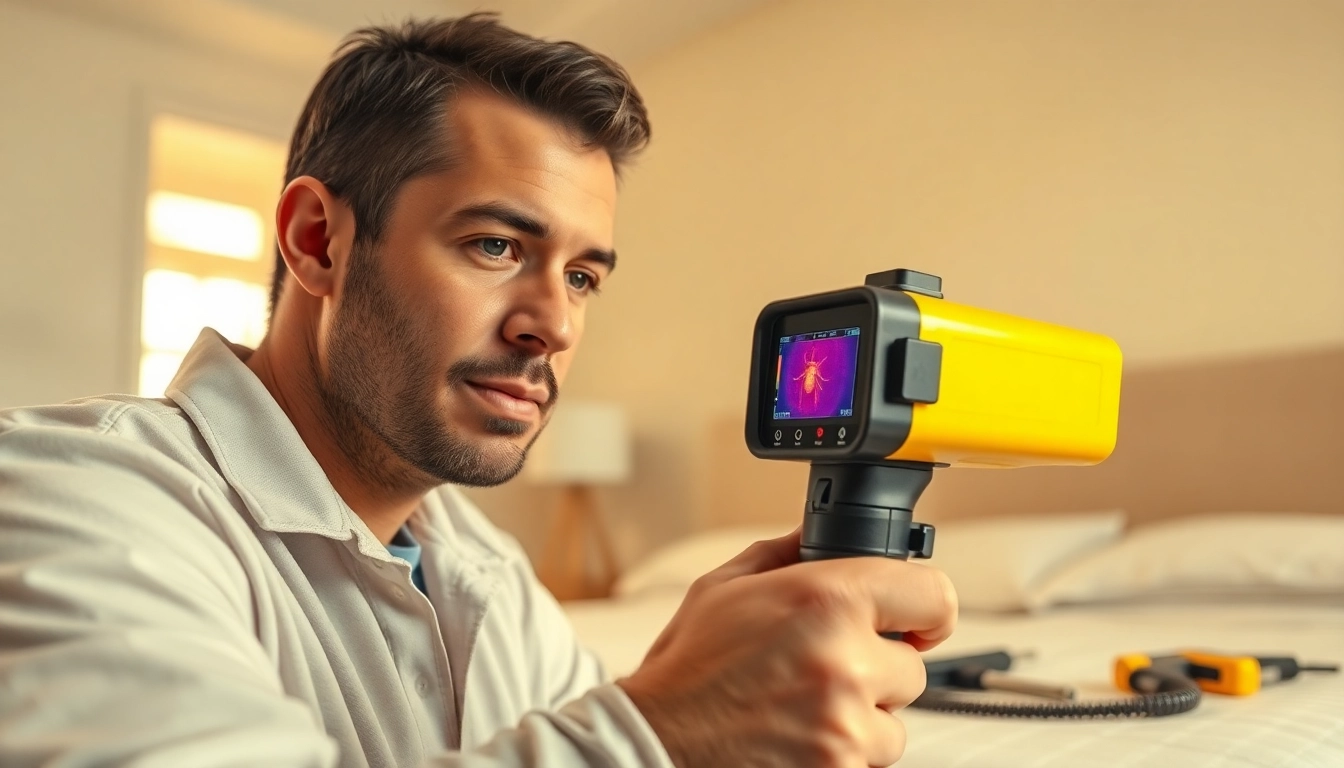
Understanding Bed Bugs and Their Habits
What Are Bed Bugs?
Bed bugs are small, reddish-brown insects belonging to the family Cimicidae. Typically measuring between 4 to 5 millimeters long, they are wingless and have a flat, oval shape which allows them to hide in small crevices and seams. These pests are nocturnal, primarily feeding on the blood of humans and animals, which makes them a significant nuisance, especially in residential settings. Their ability to thrive in various environments, coupled with the ease of transportation via luggage and clothing, has led to an uptick in infestations globally.
Common Signs of Infestation
Recognizing bed bug infestations early can prevent extensive damage. Common signs include:
- Red, itchy welts: Often found on areas of the body exposed during sleep.
- Dark spots: Small dark spots of excrement may appear on bedding or furniture.
- Egg casings: Tiny white or yellow shells left behind after nymphs hatch.
- Musty odor: A distinctive smell created by bed bug secretions or a large infestation.
Life Cycle of Bed Bugs
The life cycle of a bed bug consists of five nymphal stages and an adult stage. After mating, female bed bugs lay 1 to 5 eggs daily. These eggs hatch within 6 to 10 days under optimal conditions, leading to the nymph stage which can start feeding immediately. Nymphs will molt several times before reaching adulthood, a process that can take several weeks to months depending on environmental factors such as temperature and food availability.
Best Techniques for Bed Bug Removal
Heat Treatment for Bed Bug Removal
Heat treatment is one of the most effective methods for eradicating bed bugs. This technique involves raising the temperature in infested areas to a level lethal to bed bugs, typically over 120°F (49°C). Professionals use specialized equipment to ensure that heat penetrates all areas of the infested space. This method is particularly effective because it kills bed bugs at all life stages, eliminating eggs and nymphs that might survive traditional pesticides.
Chemical Treatments: Pros and Cons
Chemical treatments involve the use of insecticides to eliminate bed bugs. While effective, they come with pros and cons:
- Pros: Fast acting and widely available; effective for spot treatments.
- Cons: Can be harmful to pets and humans if misused; bed bugs can develop resistance to certain chemicals over time.
Homeowners should work with licensed professionals who are knowledgeable about the latest and safest chemical options available in the market.
DIY Methods for Bed Bug Removal
DIY methods include vacuuming, steam cleaning, and using diatomaceous earth. A thorough vacuuming of all infested areas can physically remove bed bugs. Steam cleaning offers the added benefit of killing bugs on contact, and diatomaceous earth serves as a non-toxic insecticide that disrupts the bed bug's exoskeleton, leading to dehydration. However, these methods may be less effective in extremely infested environments and require persistence and thoroughness to succeed.
How to Prevent Bed Bug Infestations
Regular Cleaning Practices
Maintaining a clean environment is one of the best ways to prevent bed bugs. Regularly washing bed linens, vacuuming carpets, and decluttering your home can eliminate potential hiding spots. Make sure to pay special attention to areas around beds and in other high-traffic zones.
Checking Used Furniture and Luggage
Used furniture can be a potential source of bed bugs. Always inspect second-hand items closely before bringing them into your home. Additionally, when traveling, immediately inspect your luggage upon arrival and use luggage racks to keep belongings elevated off the floor and away from bed bug habitats.
Sealing Potential Entry Points
Bed bugs can enter any home through small cracks and crevices. Sealing these gaps, particularly around windows and doors, can significantly reduce the chances of an infestation. Additionally, installing bed bug-proof encasements on mattresses can act as a barrier, preventing these pests from hiding and breeding.
Cost Factors in Professional Bed Bug Removal
Typical Pricing for Services
The cost of bed bug removal can vary widely based on the extent of the infestation, the size of the area that needs treatment, and the specific methods used for eradication. Generally, homeowners can expect to spend anywhere from a few hundred to a few thousand dollars, depending on these factors and the choice between DIY solutions or hiring professionals.
Factors Influencing Cost
Several factors can influence the cost of bed bug treatment:
- Extent of Infestation: Larger or more severe infestations typically require more intensive treatments.
- Location: Prices may vary depending on geographical location and local competition in pest control services.
- Type of Treatment: Different methods, such as heat treatment versus chemical treatment, have varying costs associated with them.
Insurance and Coverage Options
Some home insurance policies may cover the costs of pest removal, but it's essential to verify your specific coverage details. Not all policies include bed bug treatment, so homeowners should consult their insurance provider to see if their plan offers any provisions related to pest control.
Frequently Asked Questions about Bed Bug Removal
How long does bed bug removal take?
The timeline for effective bed bug removal varies. It can take several weeks to completely eradicate an infestation, depending on methods used and the severity of the problem.
Are heat treatments safe for my belongings?
Yes, heat treatments can be safe for most belongings. Professionals carefully monitor temperatures to ensure that items, especially those sensitive to heat, are not damaged during the process.
What should I do before treatment?
Before treatment, declutter the infested area, wash bedding and clothing in hot water, and vacuum thoroughly to prepare your space for effective egg and bug removal.
Can I do it myself?
While DIY methods can be effective for minor infestations, professional treatment is often more reliable for significant problems. Consider your comfort level and the severity of the situation when deciding.
What if bed bugs return after treatment?
If bed bugs return after treatment, it might be due to a new introduction or incomplete eradication. It's best to consult with your pest control professional for a follow-up assessment and action plan.
For those seeking better solutions, exploring options for bed bug removal can be the first step toward reclaiming a pest-free environment.