Introduction to Car Paint Protection
Car paint is more than just a cosmetic feature; it serves as a protective barrier for the metal underneath and contributes to the overall aesthetics of your vehicle. Maintaining the appearance and integrity of your car’s paint requires consistent care, especially after washing. In this comprehensive guide, we'll discuss how to protect car paint after washing, ensuring your vehicle remains spotless and safeguarded against the elements.
Importance of Protecting Car Paint
Protecting your car's paint is essential for various reasons. Firstly, it enhances the vehicle's resale value. A car with well-maintained paintwork attracts potential buyers more than one that shows signs of fading, scratches, or rust. Secondly, a well-protected paint surface reflects quality and care, elevating your vehicle's overall appearance.
Furthermore, exposure to environmental factors like UV rays, acid rain, bird droppings, tree sap, and road debris can lead to permanent damage if not addressed promptly. Regularly applying protective measures helps prevent costly repairs and maintains the vehicle's aesthetic appeal.
Common Threats to Car Paint
Understanding the threats your car's paint faces is crucial in planning its protection. Here are some common threats:
- UV Rays: Prolonged exposure to sunlight can fade and damage your paint over time.
- Pollutants: Dust, dirt, tar, and other contaminants can settle on your car’s surface and cause scratches when washed improperly.
- Bird Droppings & Tree Sap: These natural elements can be acidic, leading to etching and discoloration.
- Road Grime: Dirt and debris picked up during driving can create micro-scratches that dull your car's finish.
Overview of Protection Methods
There are various methods for protecting your car's paint, each with its own set of benefits. These include:
- Waxing: A traditional approach that involves applying a wax layer to create a barrier against contaminants.
- Ceramic Coatings: A more modern solution offering long-lasting protection and gloss without regular maintenance.
- Paint Sealants: Synthetic products that offer additional durability and protection against UV rays.
- Paint Protection Film (PPF): A physical barrier applied over the paint to prevent chips and scratches.
Choosing the Right Products
Types of Car Wax and Sealants
Car waxes come in two main forms: liquid and paste. Each has unique properties that can impact their application and effectiveness. Liquid waxes are often easier to apply and can give a higher shine but might not last as long as paste waxes. Paste waxes usually require more effort to apply but offer better protection and durability. Sealants, on the other hand, form a long-lasting bond with the paint, often outlasting natural waxes and providing superior protection against environmental elements.
Ceramic Coatings Explained
Ceramic coatings, derived from nanotechnology, provide a semi-permanent protective layer on the paint surface. Unlike traditional wax, ceramic coatings bond at a molecular level, offering exceptional resistance to chemical etching, UV rays, and contaminants. They can last several years with proper care, making them a popular choice for those looking for long-term protection.
Comparing Liquid vs. Paste Wax
When deciding between liquid and paste wax, consider application ease, durability, and finish:
- Liquid Wax: Quick to apply, dries quickly, and is less labor-intensive. Ideal for those who want a fast and shiny finish.
- Paste Wax: Takes more time and effort to apply but results in deeper protection and longer-lasting shine. Best for enthusiasts and long-term care.
Step-by-Step Guide to Protect Car Paint After Washing
Preparing the Vehicle for Protection
Preparation is key to effective paint protection. Follow these steps:
- Wash the Car: Use a high-quality car shampoo and microfiber wash mitt to remove dirt and grime effectively.
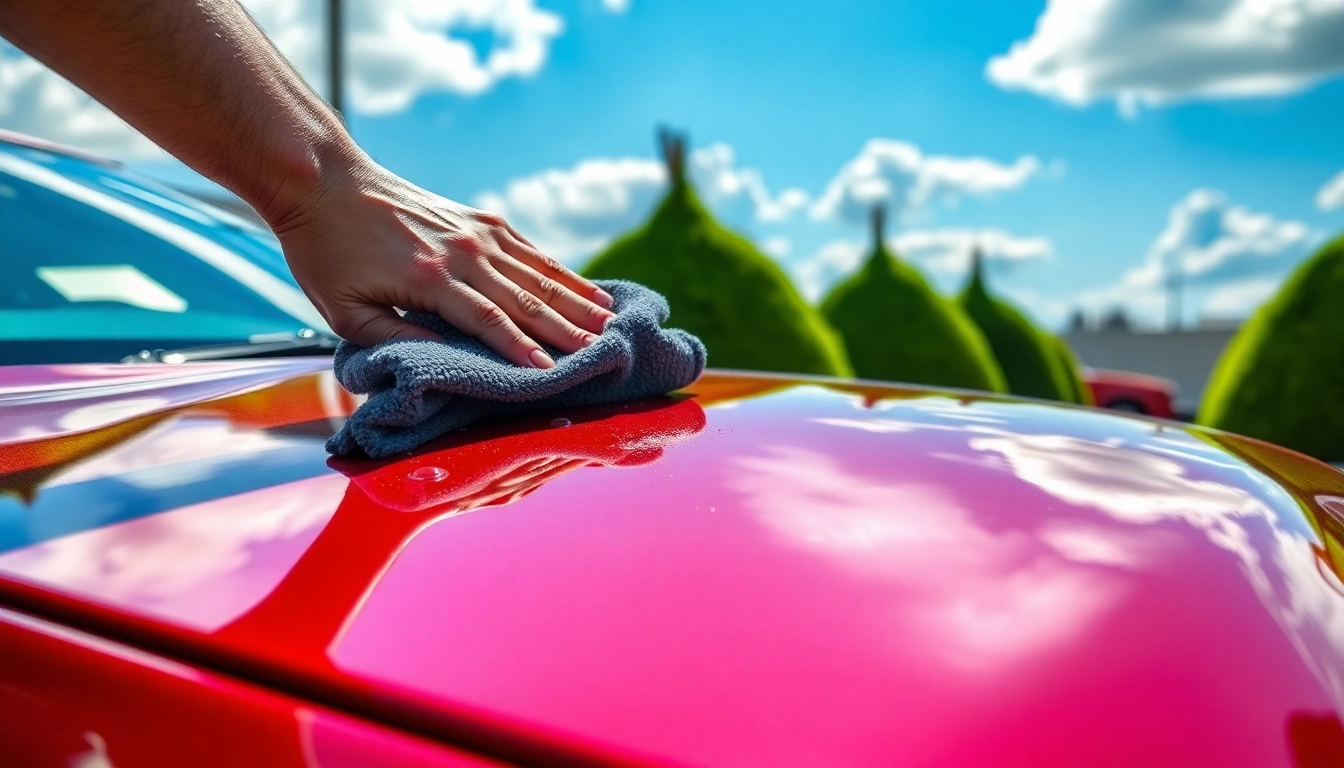
- Dry Thoroughly: Use a clean microfiber towel to dry the car to prevent water spots from forming.
- Inspect for Imperfections: Check for scratches or swirl marks and address them using a clay bar or polish before applying any protection.
Proper Wax Application Techniques
Applying wax or any protective coating requires careful technique to avoid damage and ensure full coverage:
- Apply in Shade: Ensure the car is cool and out of direct sunlight to prevent premature drying.
- Use a Foam Applicator: Apply a small amount of wax to an applicator pad and spread thinly in circular motions.
- Buff Out: Allow the wax to haze before buffing with a clean microfiber towel to bring out the shine.
Maintaining a Protective Coating
Once your car is protected, maintaining that protection is crucial. To keep the paint in optimal condition:
- Wash regularly with mild car soap to avoid scratch-causing contaminants.
- Reapply wax or sealant every few months, depending on the product’s lifespan.
- Consider using a quick detailer after washes to add additional shine and protection quickly.
DIY vs. Professional Services
When to Use Professional Detailing
Professional detailing services can offer more advanced methods of protecting your car's paint, such as ceramic coating or PPF. These services are ideal for high-end cars, vehicles with significant imperfections, or if you seek a level of detail that often exceeds what can be achieved through a DIY approach.
Cost-Effective DIY Solutions
For those on a budget or who enjoy car maintenance as a hobby, DIY solutions can still yield impressive results. Common practices include using quality wax products and ensuring proper washing techniques to prevent scratches. It's also beneficial to source products specifically designed for automotive use to achieve the best results.
Evaluating Quality of Services
When selecting a detailing service, consider the following:
- Reviews and Reputation: Look for customer feedback and ratings.
- Services Offered: Ensure they provide the specific services you need, such as ceramic coatings or detailing packages.
- Experience: A skilled technician can be the difference between a good and outstanding finish.
FAQs on Car Paint Protection
How often should I wax my car for optimal protection?
You should wax your car every three months to ensure adequate paint protection and to keep it looking shiny.
Can I use household products to protect car paint?
It’s best to use car-specific products as household items may not provide the necessary protection and could harm the paint.
Is ceramic coating worth the investment?
Ceramic coatings offer long-lasting protection and shine, making them a great investment for those seeking durability.
What are the signs I need more paint protection?
If you notice fading, swirls, or visible scratches, it’s time to renew your paint protection regimen.
What is the best time of year to apply paint protection?
Spring and fall are ideal seasons to apply paint protection, as temperatures are moderate and conditions are usually dry.