Understanding Equipment Hailing
What is Equipment Hailing?
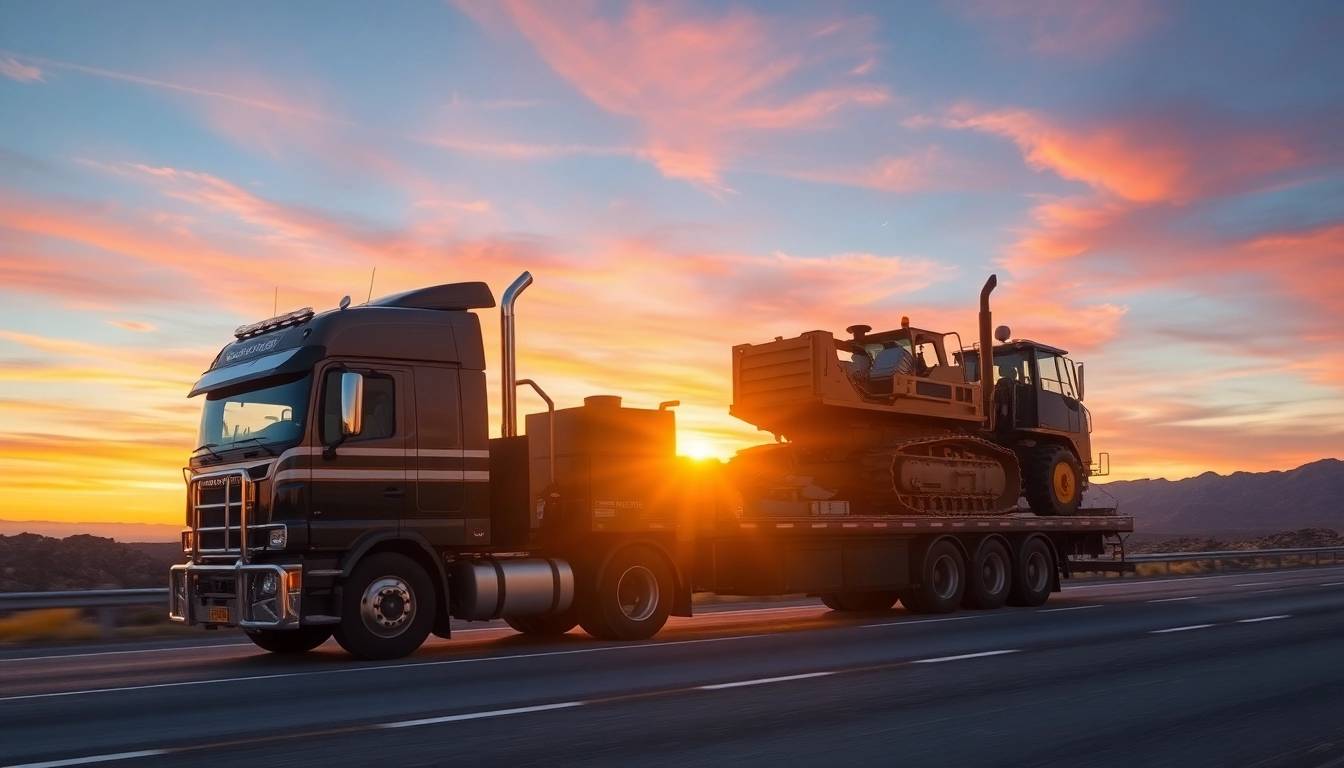
Equipment hailing refers to the coordination and logistics involved in transporting heavy machinery or oversized loads from one location to another. This specialized transport involves using various types of vehicles and trailers designed to handle the weight and dimensions of the equipment being moved. Generally, equipment hailing is crucial for sectors such as construction, agriculture, and manufacturing where the movement of large and often very costly equipment is a common requirement. Companies relying on equipment hailing services stand to benefit significantly from efficient and timely logistics solutions.
The Importance of Equipment Hailing in Industry
The significance of equipment hailing in various industries cannot be overstated. It ensures that crucial machinery is transported safely and arrives at the job site ready for use. Here are several key reasons why equipment hailing is essential:
- Minimizes Downtime: Efficient shipping keeps projects on schedule, reducing the potential for delays that can arise from late equipment arrivals.
- Cost-Effective: By ensuring the safe handling of machinery during transport, companies can prevent costly damage and repairs.
- Expert Handling: Professionals in equipment hailing are trained to handle the complexities of over-dimensional loads, ensuring compliance with legal and safety standards.
- Access to Specialized Equipment: Providers often have a range of custom trailers and transport vehicles tailored for different types of machinery, ensuring that all equipment is transported appropriately.
Key Types of Equipment Hailing Services
There are several types of equipment hailing services, each designed to meet specific transport needs. Understanding these types can help businesses select the best service solutions for their requirements:
- Flatbed Hauling: Used for equipment that can be securely loaded and unloaded from the side, such as cranes or construction materials.
- Lowboy Trailers: Designed for taller loads, lowboy trailers are ideal for transporting heavy machinery like excavators as they provide a lower center of gravity.
- Drop-deck Trailers: These trailers are well-suited for transporting oversized items that need more vertical clearance.
- Gooseneck Trailers: Offering exceptional stability and greater weight distribution, gooseneck trailers are often used for moving heavy equipment, ensuring a safe transport experience.
Choosing the Right Equipment Hailing Service
Factors to Consider When Selecting a Hailing Service
Choosing the right equipment hailing service is vital for ensuring your machinery's safety during transport. Here are some critical factors to consider:
- Reputation: Assess the provider’s experience and customer feedback to gauge reliability and service quality.
- Insurance Coverage: Confirm that the hauler has sufficient insurance to protect your equipment during transport against damages.
- Service Range: Determine if they service the required locations and handle the types of equipment you need transported.
- Cost Transparency: Look for a provider that offers clear and upfront pricing with no hidden fees.
How to Evaluate Equipment Hailing Providers
When evaluating potential equipment hailing providers, take the following steps:
- Request Quotes: Gather detailed quotes from multiple providers to compare prices and services offered.
- Check References: Ask for and contact references from previous clients to understand their experiences.
- Review Services Offered: Ensure the provider offers all necessary services, including logistics planning and tracking during transport.
- Inspect Equipment: If possible, inspect the transport equipment used by the provider to ensure it meets industry standards.
Common Mistakes to Avoid
Avoiding common pitfalls can make the equipment hailing process smoother:
- Ignoring Insurance: Not verifying insurance can leave your equipment vulnerable during transport.
- Choosing Solely Based on Price: Opting for the cheapest option may compromise service quality.
- Neglecting Timeline: Not aligning the transport schedule with project timelines can lead to costly delays.
Cost Analysis of Equipment Hailing
Understanding Pricing Structures
Equipment hailing costs can vary widely based on several factors. Understanding how pricing works can help businesses budget appropriately. Common factors influencing prices include:
- Distance: Longer hauls generally incur higher costs, often determined by a per-mile rate.
- Load Size and Weight: Heavier and larger equipment typically costs more to transport.
- Type of Trailer Used: Specialized trailers may result in higher rental costs.
- Time of Year: Transportation prices can fluctuate based on seasonal demand.
Factors Affecting Equipment Hailing Costs
Several specific factors can also impact the overall pricing of equipment hailing:
- Regulatory Requirements: An increase in legal requirements such as permits can add additional costs to transportation.
- Fuel Prices: Fluctuations in fuel prices can directly impact transport rates.
- Urgency of Delivery: Expedited services typically come with an additional fee.
Tips for Reducing Hailing Expenses
Here are some effective strategies to consider when looking to minimize costs associated with equipment hailing:
- Plan Ahead: Scheduling transport well in advance can lead to cost savings.
- Consolidate Shipments: If possible, combine several loads into one shipment to reduce total costs.
- Negotiate Rates: Don’t hesitate to discuss pricing with providers; they may offer lower rates for repeat business.
Safety Protocols in Equipment Hailing
Essential Safety Procedures
Safety is paramount in the equipment hailing industry. Here are several essential protocols that should always be followed:
- Load Securement: All loads must be secured properly to prevent shifting during transport.
- Pre-Trip Inspections: Vehicles and trailers should undergo thorough inspections to identify any potential issues before departure.
- Employee Training: Ensure all operators are thoroughly trained in safety protocols and operational guidelines.
Types of Equipment Safety Measures
In addition to general protocols, different types of equipment may require specific safety measures:
- Weight Distribution Checks: Regularly check that loads are evenly distributed to prevent trailer instability.
- Use of Safety Chains: Attach safety chains appropriately to mitigate the risk of equipment detaching during transport.
- Signal Equipment Usage: Use appropriate safety lights and markers to increase visibility, especially for oversized loads.
Training Requirements for Equipment Operators
All equipment operators should undergo the following training to enhance safety:
- Safety Regulations: Familiarity with local, state, and federal regulations regarding heavy equipment transportation.
- Operational Training: Hands-on training for the specific types of machinery being transported.
- Emergency Procedures: Employees should know how to respond in case of an accident or equipment malfunction.
Future Trends in Equipment Hailing
Emerging Technologies in Equipment Hailing
As technology continues to advance, several trends are emerging in the equipment hailing industry:
- GPS Tracking: Real-time tracking systems provide customers with updates on equipment location during transport.
- Telematics: This technology allows for monitoring equipment condition and performance metrics to ensure it’s ready when it arrives.
- Automation: Automated logistics solutions are being integrated to streamline scheduling and dispatching processes.
Environmental Considerations and Sustainability
The movement towards sustainability is also impacting equipment hailing:
- Efficient Routing: Providers are using data analytics to create more efficient transport routes, reducing fuel consumption and emissions.
- Green Fleets: Many companies are investing in more environmentally friendly vehicles to align with sustainability goals.
- Recyclable Packaging: Using less packaging material that is recyclable minimizes waste.
Predictions for the Equipment Hailing Industry
Looking ahead, several trends may dictate the future of equipment hailing:
- Increased Demand: As industries grow, the demand for specialized transport services is expected to continue rising.
- Enhanced Regulation: More stringent safety regulations will likely be implemented, further emphasizing compliance responsibilities.
- Technological Integration: Companies that adopt emerging technologies will likely outperform competitors in efficiency and service delivery.
FAQs about Equipment Hailing
What types of equipment can be hauled?
Various types of equipment, including construction machinery, agricultural equipment, and industrial machinery, can be transported through equipment hailing services.
How is the cost of equipment hailing determined?
Costs depend on distance, equipment size and weight, the type of trailer needed, and any special requirements, like permits or escort vehicles.
What are the safety standards for transporting heavy equipment?
Safety standards include ensuring proper load securement, conducting vehicle inspections, and following transportation regulations specific to oversized loads.
Do I need a permit for heavy equipment transport?
Yes, most jurisdictions require permits for transporting oversized loads. The size and weight often dictate the necessary permits.
How can I track my equipment during transport?
Most modern equipment hailing services offer GPS tracking capabilities, allowing you to monitor your equipment's location in real-time.
Contact Information
Call Us: 4062607988Address: 3906 MT-40, Columbia Falls, MT 59912