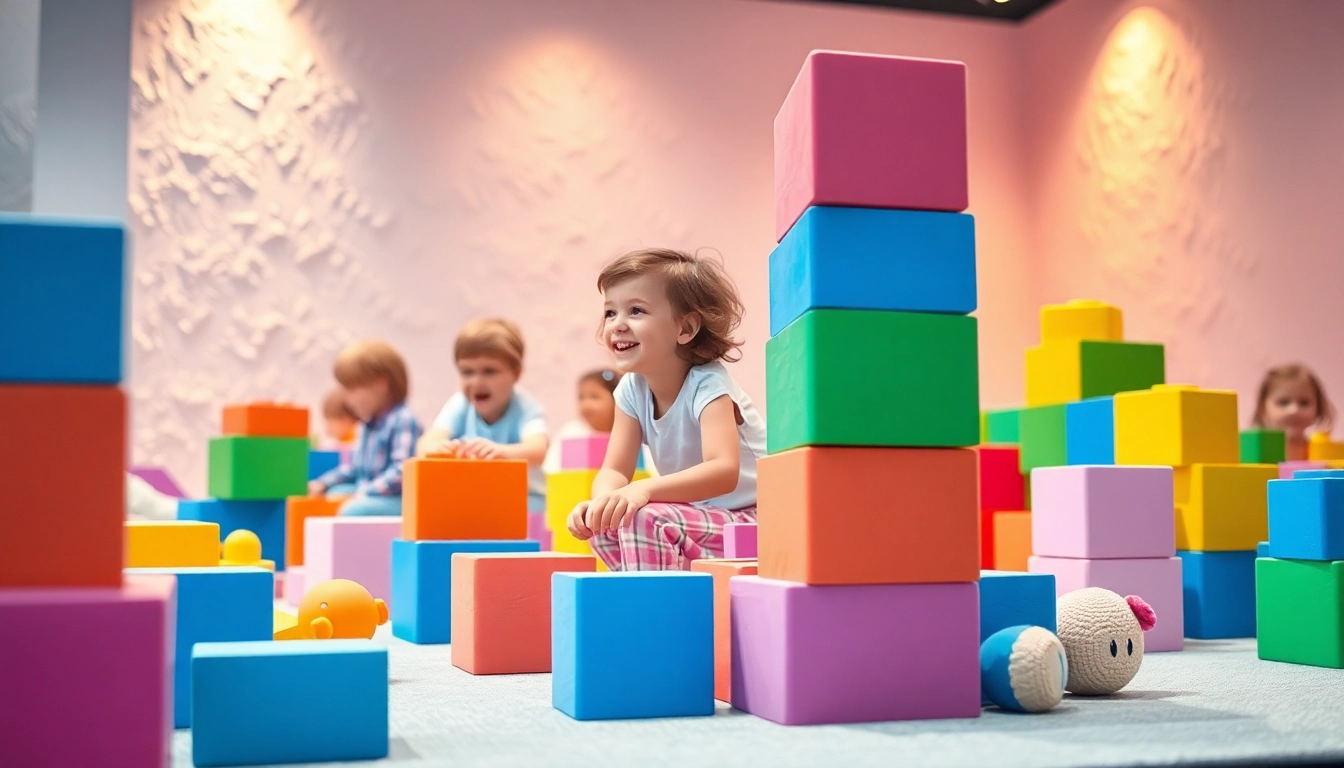
Introduction to Giant Building Blocks
Giant building blocks are more than just toys; they are a gateway to creativity, imagination, and learning for children. These oversized blocks inspire kids to build, explore, and express their creativity in ways that standard building blocks cannot. With their large size, they encourage collaborative play and help develop critical thinking and problem-solving skills. For parents and educators looking to foster creativity in children, introducing giant blocks into playtime is an effective way to achieve this goal. discover more about how these blocks can transform playtime.
The Benefits of Large Building Blocks
The advantages of using large building blocks extend beyond simple entertainment. Here are some key benefits:
- Encourages Creativity: With limitless possibilities, children can create anything from simple structures to complex designs. Their imagination is the only limit.
- Develops Motor Skills: Handling big blocks improves gross motor skills as children lift, stack, and arrange them actively.
- Enhances Cognitive Skills: Problem-solving emerges as kids figure out how to balance and structure their designs, fostering analytical thinking.
- Promotes Social Interaction: Large building blocks are excellent for collaborative play, enhancing teamwork and communication among peers.
- Builds Confidence: Completing a structure provides a sense of accomplishment, boosting a child's self-esteem.
Safety Considerations for Kids
Safety should always be the foremost concern when introducing any new toys. For giant building blocks, here are some important considerations:
- Age Appropriateness: Ensure that the blocks are designed for the age group using them. Check for any choking hazards or sharp edges.
- Durable Materials: Opt for blocks made from high-quality, non-toxic materials that are free from harmful substances.
- Supervision Required: Young children should always be supervised while playing, especially when engaging in collaborative projects that involve lifting large blocks.
- Soft Landing Areas: Consider setting up soft landing areas, such as foam or carpeted surfaces, to cushion any falls that may occur while children are playing with these large items.
Choosing the Right Blocks for Your Space
Picking the right blocks requires consideration of several factors, including your child’s age, physical space, and intended use:
- Size and Weight: Choose blocks that are not too heavy for children to lift but substantial enough to maintain stability in constructions.
- Storage Solutions: Ensure that you have adequate space for storing the blocks when not in use; modular systems can facilitate easy stacking.
- Color and Design: Choose vibrant colors that can stimulate creativity. Additionally, select designs that allow for different connection methods for more varied structures.
- Expandable Sets: Consider sets that allow you to add more blocks over time, promoting long-term play engagement.
Creative Play Ideas for Indoor Adventures
Once you have the blocks, the next step is to maximize their potential through imaginative play. Here are some creative ideas:
Themed Building Challenges
Organizing themed challenges can invigorate playtime. For instance, kids could be tasked with building structures resembling famous landmarks or creating habitats for animals. Themes can inspire collaboration and turn building into a fun group activity, where kids can share ideas and bring their visions to life.
Collaborative Group Projects
Encouraging children to work together on large projects is an invaluable experience. They learn how to share resources, negotiate designs, and utilize each other’s strengths. This collaborative effort fosters emotional intelligence and enhances social skills as they navigate challenges together.
Using Blocks for Storytelling
Integrating storytelling into block play can make sessions more dynamic and educational. Children can build the settings for their stories using the blocks and then narrate tales that unfold within those structures. This approach enhances their linguistic skills and emotional expression.
Setting Up an Inspiring Play Area
A well-organized play area can significantly enhance the play experience with giant blocks. Here’s how to set one up:
Essential Furniture and Layout Tips
Furniture should meet the needs of active play while also providing comfort:
- Sturdy Tables: Use tables that can withstand play and potentially serve as bases for building.
- Sitting Areas: Provide comfortable seating for breaks, as well as space for observing and discussing creations.
- Open Spaces: Design the area for open play with sufficient room for children to move freely without obstacles.
Incorporating Multi-Sensory Elements
Adding sensory components can make the play experience more engaging. Consider implementing:
- Textured Surfaces: Provide blocks with different tactile elements to stimulate touch and enhance play.
- Sound Effects: Use ambient sounds or music to create an atmosphere that enhances creativity.
- Visual Stimuli: Decorate the play area with colorful visuals that can inspire themes in building projects.
Designing Zones for Various Activities
Different zones can be designated for specific activities. For instance:
- Building Zone: A dedicated area where large blocks are the focus, allowing for concentrated building activities.
- Art Zone: Set up an area with art supplies to create decorations for the blocks.
- Relaxation Zone: A quiet corner equipped with soft cushions for downtime, allowing children to recharge.
Engaging Parents in Playtime Activities
To create a warm, inviting atmosphere, involving parents in play activities is key. Here’s how:
Tips for Leading Building Sessions
Parents can enhance the play experience by guiding sessions. Consider these strategies:
- Set Clear Objectives: Define what the session will entail to help children focus their creativity.
- Encourage Participation: Actively involve parents by assigning roles in team-based activities.
- Be a Guide, Not a Dictator: Offer guidance while allowing children to lead in the creative process.
Creating a Parent-Child Bonding Environment
Building blocks can be a tool for bonding; here’s how to maximize this aspect:
- Share Stories: Encourage parents to share stories from their childhood related to building and creativity.
- Build Together: Schedule regular playtime where parents can collaborate with their children, building a shared experience.
- Acknowledge Achievements: Celebrate completed projects together, reinforcing positive reinforcement in these shared moments.
Feedback and Adjustment: A Dynamic Approach
Keep playtime engaging by adapting based on feedback:
- Solicit Input: Regularly ask children about their preferences for future projects.
- Be Flexible: Shift activities based on what captures the children’s interest at a given time.
- Reflect on Sessions: Dedicate time to discuss what went well and identify any adjustments needed for future sessions.
Frequently Asked Questions
What age group is best for giant building blocks?
Giant building blocks are generally suitable for children aged 2 and up, but always consider the child’s individual development and interests.
How do building blocks improve cognitive skills?
Their use promotes problem-solving, critical thinking, spatial awareness, and creativity as children navigate design and stability challenges.
Can giant blocks be used outdoors as well?
Yes, giant blocks can be used outdoors provided they are made of durable materials that withstand weather conditions.
What are the best materials for safety?
Look for blocks made from non-toxic, BPA-free plastic, wood, or foam, ensuring they are solid and free from sharp edges.
How to clean and maintain giant building blocks?
Clean blocks with mild soap and water. Ensure they are completely dry to prevent mold and store them in a clean, dry place.