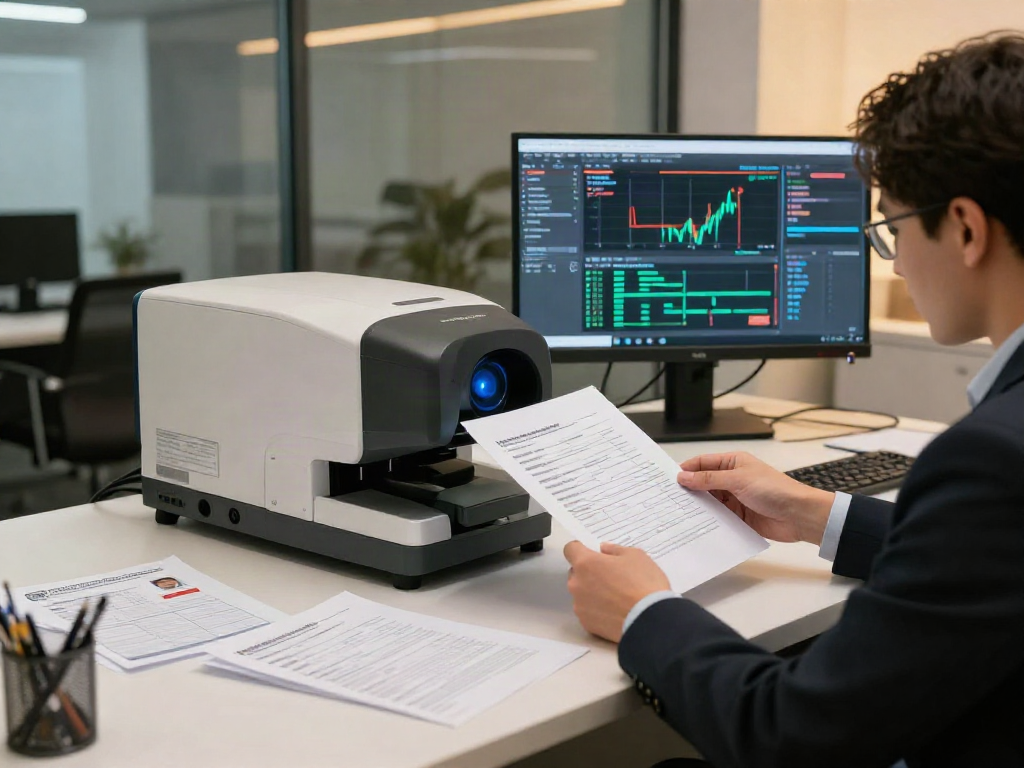
1. Understanding IT Support for Small Business London
1.1 What is IT Support?
IT support encompasses a range of services designed to assist businesses in managing their technology. This includes troubleshooting technical issues, maintaining hardware and software systems, providing cybersecurity measures, and offering guidance and training for staff. For small businesses in London, having dedicated IT support can ensure that their technology infrastructure operates smoothly, allowing them to focus on their core business operations without worrying about technical disruptions.
1.2 Why is IT Support Crucial for Small Businesses?
For small businesses, effective IT support is not just a luxury; it's a necessity. With limited resources and personnel, small enterprises often struggle to handle IT challenges internally. Engaging professional IT support allows these businesses to:
- Reduce downtime: Quick and effective response to technical issues minimizes disruption.
- Enhance security: Protect sensitive data against increasing cyber threats.
- Improve efficiency: Streamlined operations lead to better productivity.
- Stay competitive: Access to the latest technologies can provide an edge over competitors.
- Focus on growth: Business owners can devote more time to strategic initiatives rather than IT concerns.
The importance of it support for small business london cannot be overstated; it serves as the backbone of many successful startups and growing businesses.
1.3 Key Services Offered in IT Support
IT support services can vary widely, but typically include:
- Help Desk Support: Providing immediate assistance for technical issues faced by users.
- Network Administration: Setting up and maintaining networks to ensure connectivity.
- Data Backup and Recovery: Protecting critical business information and ensuring it can be restored in case of data loss.
- Cybersecurity Solutions: Implementing firewalls, antivirus software, and best practices to safeguard against cyber threats.
- Software and Hardware Support: Installing, updating, and troubleshooting hardware and software.
- Cloud Services: Managing cloud infrastructure and services to enhance scalability.
2. Challenges Faced by Small Businesses in IT Management
2.1 Common IT Issues
Small businesses frequently encounter a variety of IT-related challenges, including:
- Limited IT staff: Many small enterprises do not have dedicated IT personnel, leading to excessive reliance on external support.
- Hardware failures: Aging hardware can fail unexpectedly, causing significant disruption.
- Software compatibility: Integration issues may arise with different applications, hindering productivity.
- Internet connectivity problems: Unreliable internet can cause disruptions that affect communication and operations.
2.2 The Impact of Poor IT Support
Poor IT support can severely affect a small business's bottom line. Common repercussions include:
- Increased downtime: More frequent technical issues can lead to extended periods of inactivity.
- Loss of customer trust: When services are disrupted, clients are less likely to rely on the business.
- Reduced employee morale: Continual technical issues can frustrate staff and reduce productivity.
- Higher costs: Investing more in fixing problems rather than proactive measures can lead to inflated operational costs.
2.3 Cybersecurity Risks for Small Businesses
Cybersecurity is of paramount importance for small businesses, as they are increasingly targeted by cybercriminals. Common risks include:
- Phishing attacks: Deceptive emails can lead to compromised sensitive data.
- Ransomware: Malware can lock businesses out of crucial systems until a ransom is paid.
- Data breaches: Poor security practices can lead to unauthorized access to sensitive information.
- Regulatory compliance: Failure to meet security standards can result in penalties and loss of customer trust.
3. Selecting the Right IT Support for Small Business London
3.1 Criteria for Choosing an IT Support Provider
Choosing the right IT support provider involves evaluating several criteria:
- Experience: Look for providers with a proven track record in your industry and a clear understanding of your specific needs.
- Range of Services: Ensure they offer a comprehensive suite of services that align with your business requirements.
- Response Time: Quick response times are crucial for minimizing downtime during technical issues.
- Customer Support: Assess the availability and approachability of support staff.
- Reputation: Check reviews and testimonials from previous clients to gauge reliability and effectiveness.
3.2 Assessing Cost vs. Quality
It’s important to balance cost and quality when selecting an IT support provider. While it may be tempting to go for the cheapest option, this can lead to inadequate support. Consider vendors that offer:
- Transparent pricing: Clear pricing structures with no hidden costs.
- Value-added services: Additional benefits or features that justify the expense.
- Flexible plans: Options that allow you to scale services based on your evolving needs.
3.3 Evaluating Local vs. Remote IT Support
Deciding between local and remote IT support can significantly impact your business operations:
- Local Support: Typically offers faster response times and personalized service, which can be crucial for urgent issues.
- Remote Support: Can be more cost-effective and provides access to a wider pool of expertise, but may lack the immediacy of on-site support.
For many small businesses in London, a hybrid approach may be the most practical solution, combining the strengths of both local and remote services.
4. Implementing IT Support Solutions Effectively
4.1 Developing an IT Support Strategy
An effective IT support strategy should align with overall business goals. Steps to develop this strategy include:
- Conducting a needs assessment to identify specific IT challenges.
- Defining clear goals for IT support, such as reducing downtime or enhancing security.
- Establishing proper communication channels with your IT provider.
- Regularly reviewing and updating the strategy to adapt to changing business needs.
4.2 Monitoring and Maintenance Tips
Proactive monitoring and maintenance are key to minimizing IT issues. Implement practices such as:
- Regular system updates to prevent vulnerabilities.
- Routine security audits to identify potential threats.
- Data backups to ensure information is recoverable in case of incidents.
- Performance monitoring tools to track system health and performance metrics.
4.3 Training Employees on IT Processes
Training employees on IT processes can significantly enhance efficiency and security. Consider the following:
- Conduct regular training sessions on cybersecurity best practices.
- Provide resources for troubleshooting common technical issues.
- Encourage employees to report IT problems promptly to minimize downtime.
5. Measuring the Success of IT Support for Small Business London
5.1 Evaluating Performance Metrics
Measuring the effectiveness of your IT support is critical for continuous improvement. Important metrics to consider include:
- Response time to support requests: Quick responses indicate a responsive IT support system.
- Resolution rate: A high resolution rate signifies efficiency in handling issues.
- Downtime: Tracking how often and for how long systems are down can help identify problem areas.
- User satisfaction: Regular surveys can provide insights into employee experiences with IT support.
5.2 Gathering User Feedback
User feedback is invaluable when assessing IT support effectiveness. Encourage employees to share their experiences by:
- Conducting periodic satisfaction surveys focused on IT services.
- Creating a feedback loop where employees feel comfortable sharing concerns and suggestions.
- Establishing regular review meetings with the IT provider to discuss improvement areas.
5.3 Continuous Improvement in IT Support Services
Continuous improvement should be a core principle of your IT strategy, aiming for ongoing enhancement in services. This can be achieved by:
- Regularly revisiting IT goals and strategies based on feedback and performance metrics.
- Staying informed about the latest technology trends and threats to adapt strategies accordingly.
- Investing in employee training and development to keep staff updated on new tools and procedures.
FAQs
What is IT support?
IT support refers to services that help businesses maintain their technology. This includes troubleshooting, maintenance, and cybersecurity.
Why do small businesses need IT support?
Small businesses need IT support to ensure their technology operates smoothly, protecting against downtime and security threats.
How can I choose an IT support provider?
Look for providers with experience in your industry, positive reviews, and a range of services that fit your specific needs.
What common issues does IT support address?
IT support handles issues like network connectivity problems, software updates, hardware failures, and cybersecurity breaches.
How often should I evaluate my IT support?
Regular evaluations, at least annually, can help identify areas for improvement and ensure your IT support meets current business needs.
Connection Technologies Contact Information
Head Office Address:Fareham Innovation Centre, Merlin House, 4 Meteor Way, Fareham, Lee-on-the-Solent, PO13 9FU, United KingdomEmail Us:[email protected]Email Us:[email protected]Email Us:[email protected]Email Us:[email protected]Phone Number:0333 015 2615Opening Hours:Monday To Thursday: 9:00 AM To 5:30 PMOpening Hours:Friday: 9:00 AM To 4:30 PM