Understanding Lithium RV Batteries
What Are Lithium RV Batteries?
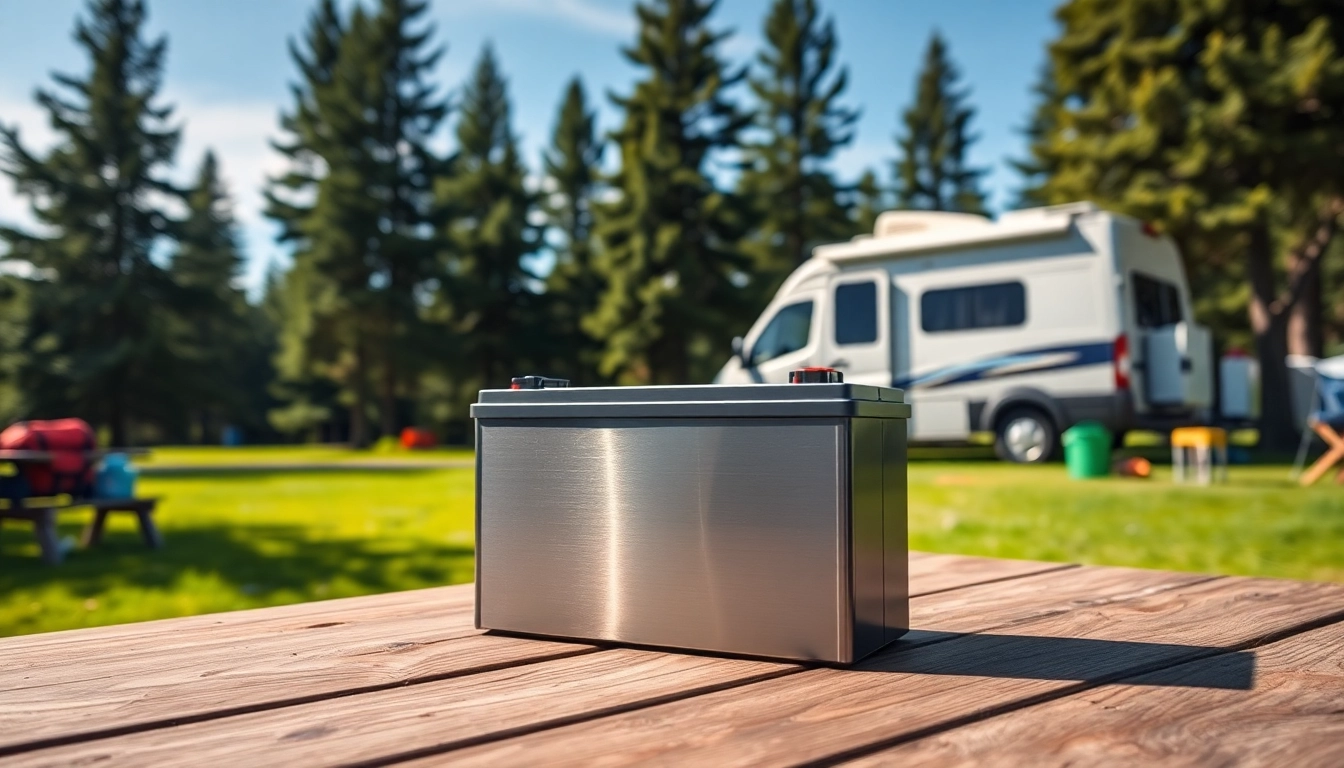
Lithium RV batteries are a modern power solution designed specifically for recreational vehicles (RVs) and campers. Unlike traditional lead-acid batteries, these batteries utilize lithium iron phosphate (LiFePO4) chemistry, allowing for higher energy density, lighter weight, and a longer lifespan. Commonly used for powering appliances, lighting, and even vehicles' engines, lithium RV batteries represent a significant advancement in portable power technology.
Key Features of Lithium RV Batteries
- Long Lifespan: Typically lasting between 10 to 15 years, lithium RV batteries can endure more charge and discharge cycles than their lead-acid counterparts.
- Faster Charging: These batteries can be charged faster, enabling RV owners to spend more time enjoying their adventures and less time plugged in.
- Weight Efficiency: With a weight significantly lower than lead-acid batteries, lithium options allow for more efficient use of space in RVs and improved overall vehicle performance.
- Depth of Discharge: Lithium batteries can be discharged up to 80% without significant damage, compared to about 50% for lead-acid batteries.
Comparing Lithium and Lead-Acid Batteries
When comparing lithium and lead-acid batteries, several factors come into play: FeatureLithium BatteriesLead-Acid BatteriesLife Cycle2000-5000 cycles500-800 cyclesWeightLightweightHeavyCharge TimeFast chargingSlow chargingDepth of DischargeUp to 80% or moreAbout 50%PriceHigher upfront costLower upfront cost
Benefits of Using Lithium RV Batteries
Enhanced Performance and Longevity
One of the most significant advantages of Vatrer Power lithium RV batteries is their enhanced performance. With longer cycle lives, they require less frequent replacement, making them an economical choice over time. Their ability to handle higher discharge rates enables users to run appliances efficiently, even under heavy usage conditions.
Weight and Space Efficiency
Lithium batteries are substantially lighter than traditional lead-acid batteries. This weight savings allows RV owners to pack more gear and equipment without exceeding weight limits. Additionally, their compact design means they occupy less space, offering more room for storage within the vehicle.
Eco-Friendliness of Lithium RV Batteries
Lithium batteries are not only about performance; they are also a sustainable alternative to lead-acid batteries. Their longer life means less environmental waste, and they do not contain harmful materials like lead or cadmium. As more adventurers seek eco-friendly lifestyle choices, lithium batteries provide a greener power source.
Choosing the Right Lithium RV Battery
Understanding Amp Hours and Power Needs
Understanding how much power is required for your devices is critical when choosing a lithium RV battery. Amp hours (Ah) indicate the battery's capacity. Calculate your total energy needs by combining the wattage of all devices you'll be using and how long they’ll be on. This will guide you in selecting an appropriately sized battery to avoid power shortages while on the road.
Selecting Voltage Levels
Typically, 12V 300Ah Lithium Battery come in 12V, 24V, and 48V options. The choice of voltage depends on the electrical system in your RV. A higher voltage system will allow for fewer cables and improved efficiency, making it essential to choose a voltage compatible with your existing setup.
Evaluating Battery Capacity Options
Battery capacity is another crucial factor when selecting lithium RV batteries. Consider your travel patterns, whether you’ll be boondocking or connected to shore power, and how many appliances you will need to power simultaneously. A larger capacity battery will allow for extended off-grid adventures, while smaller capacities may suffice for shorter trips.
Installation and Maintenance Tips for Lithium RV Batteries
Essential Tools and Materials for Setup
Installing lithium RV batteries requires a few essential tools and materials, including:
- Battery management system (BMS)
- Appropriate cables and connectors
- A suitable charger compatible with lithium technology
- Safety gear, such as gloves and eye protection
Safety Guidelines for Installation
Safety is paramount when installing lithium batteries. Ensure proper ventilation during the installation to prevent overheating. Additionally, follow all manufacturer guidelines for wiring and connections to prevent short circuits. Regularly check connections for corrosion or damage.
Regular Maintenance Practices
While lithium batteries generally require less maintenance than lead-acid ones, some practices enhance their longevity:
- Keep the battery terminals clean and tight to ensure good connections.
- Monitor the battery management system periodically to check for faults.
- Store batteries in a moderate temperature environment when not in use.
FAQs About Lithium RV Batteries
Are lithium batteries worth the investment?
Yes, particularly for frequent users, as they offer greater lifespan and better performance compared to traditional batteries.
How long do lithium RV batteries last?
With proper care, lithium RV batteries can last 10-15 years, making them a cost-effective choice over time.
Can I use lithium batteries with my existing RV setup?
Yes, lithium batteries can replace traditional batteries, but ensure compatibility with your RV's electrical system.
How do I charge lithium RV batteries?
Use a compatible lithium charger to maintain optimal performance, following manufacturer's instructions for best results.
What is the ideal temperature for lithium RV batteries?
For optimal performance, keep lithium batteries in temperatures between 32°F and 113°F (0°C and 45°C). For those interested in enhancing their RV experience with advanced technology, exploring lithium RV batteries can be a game-changer. The right battery not only ensures you have the power you need while on the road but can also result in significant long-term savings and a more enjoyable camping experience.