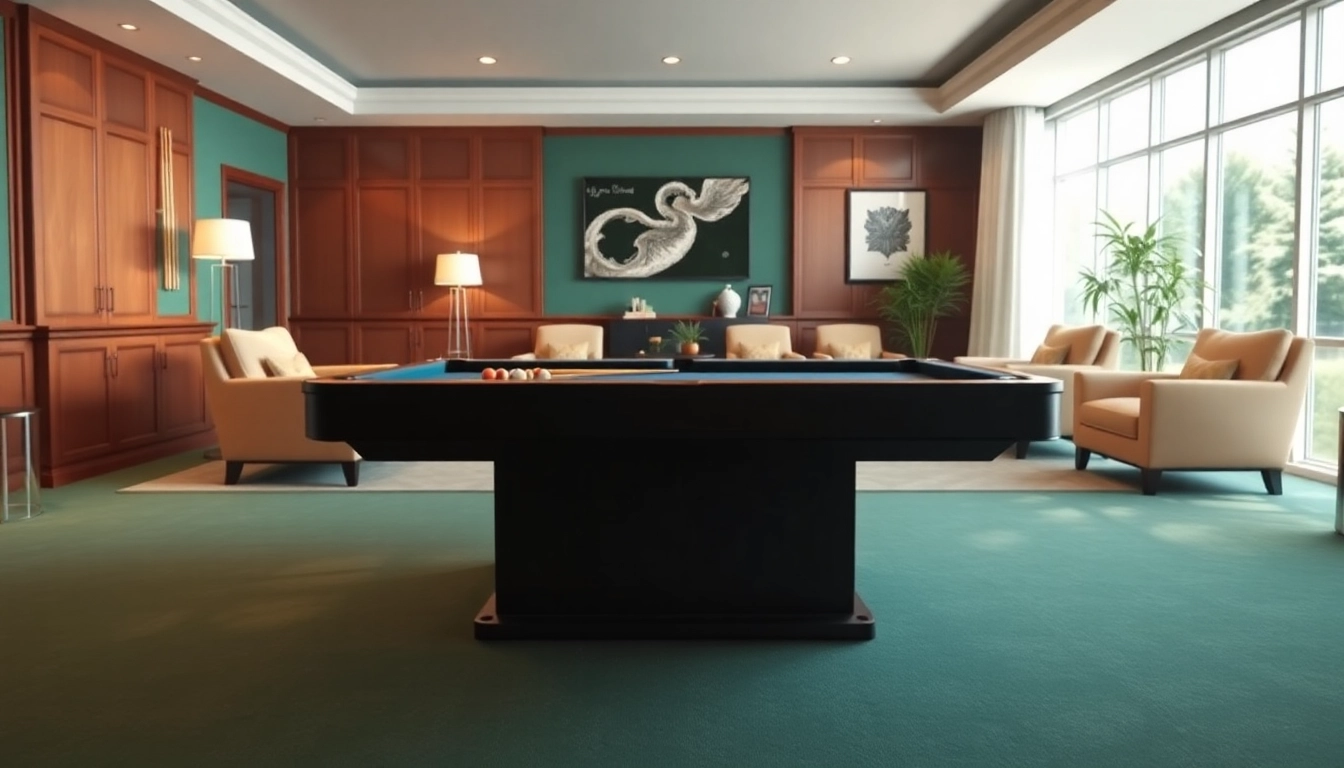
Understanding Pool Tables
When considering adding a pool table to your home, it's essential to realize that this purchase goes beyond simply acquiring a piece of furniture. A pool table significantly influences your living space, offering not just a spot for games but also a focal point for social gatherings. Whether you're a seasoned player or a newcomer, knowing the types, materials, and key features of pool tables can help guide your decision. If you’re ready to start your purchase journey, consider this option to Buy Pool Tables that suit your needs and lifestyle.
Different Types of Pool Tables
Understanding the different kinds of pool tables is crucial when deciding which to buy. There are primarily three types of pool tables: American, English, and the smaller bar tables.
- American Pool Tables: Typically 7, 8, or 9 feet long, these tables are designed for more recreational play and feature wider pockets, making it easier for beginners to sink balls.
- English Pool Tables: Found mostly in the UK, these tables are usually 6 to 7 feet long with smaller pockets and are designed for a slightly different style of play, placing more emphasis on skill.
- Bar Pool Tables: Also called pub tables, these are usually 7 feet or shorter and feature simplified rules that appeal to casual players, often placed in social settings like bars or clubs.
Materials Used in Pool Tables
The material of a pool table plays a significant role in the quality of play and the longevity of the table. Pool tables are generally made from three primary materials:
- Slate: Considered the best surface for professional-level play, slate tables provide a smooth, level playing field. They are heavy and costly but worth the investment for serious players.
- Wood: While the frame and cabinetry can be made from various types of wood, it is essential to ensure that it is of high quality to support the slate properly. Solid hardwood is preferred for its durability.
- Laminate: More affordable pool tables often use laminate surfaces. While these are less durable and can warp, they are suitable for casual players or starters who are budget-conscious.
Key Features to Consider
When choosing a pool table, certain features can significantly affect your playing experience:
- Pocket Size: Wider pockets are more forgiving for beginners, while narrower ones offer a greater challenge and are preferred in professional settings.
- Table Height: The standard height for a pool table is 29 to 31 inches, but ensure it suits the players who will predominantly use it.
- Leg Levelers: Look for tables with adjustable leg levelers to ensure a perfectly level surface, vital for quality gameplay.
Why You Should Buy Pool Tables
Beyond the enjoyment of playing, owning a pool table has numerous advantages that make it a worthwhile investment for your home.
Benefits of Owning a Pool Table
The benefits of owning a pool table extend beyond just gameplay. It provides an entertainment source, promotes relaxation, and improves cognitive skills such as strategy and problem-solving. Owning a pool table can also foster family bonding and gatherings, significantly enhancing your overall living experience.
How Pool Tables Enhance Social Interaction
A pool table can instantly transform a space into a social hub, drawing friends and family together for fun and competition. It facilitates relaxed environments for conversations, strengthens relationships, and acts as an icebreaker for guests.
Investment Value of Pool Tables
Investing in a quality pool table is also sensible from a financial perspective. A well-maintained pool table can retain its value over time, and in some cases, even appreciate. It also serves as a unique selling point when it comes time to sell or rent your home, increasing its market appeal.
Choosing the Right Size and Style
Choosing the appropriate size and style of your pool table is critical not just for ensuring you have the right game experience but also for making sure it complements your space.
Determining the Best Table Size for Your Space
The size of the pool table will significantly affect your playing experience as well as the space it occupies. In general, standard sizes are 7, 8, and 9 feet long. However, when choosing, consider the following factors:
- Room Size: Measure your space, ensuring at least 5 feet on all sides for cueing comfortably.
- Player Type: Casual players might prefer smaller tables, while those looking to play competitively may opt for larger models.
Matching Table Style with Home Decor
The aesthetic appeal of your pool table is another critical consideration. Pool tables can come in various styles ranging from contemporary to classic. Choose one that complements not only your personal style but also the overall decor of your room.
Adjustable Features for Versatility
Look for tables with adjustable features. Different height settings or table configurations can provide versatility and accommodate players of all ages and skill levels. This adaptability ensures that everyone in your household can enjoy playing.
Where to Buy Pool Tables
Once you've settled on the size and style of your pool table, the next step is sourcing it. You can choose between online and in-store options, each with its benefits.
Online vs. In-Store Purchases
Buying pool tables online can provide a broader selection and often better prices. However, in-store purchases allow for tangible assessment of quality and build. Consider visiting a store to see models and then compare prices online.
Buying New or Used Pool Tables
New pool tables come with brand warranties and a guarantee of quality. However, buying used can save you money. Be sure to check the condition thoroughly and inquire about the table's history and any repairs made.
Assessing Retailer Reputation
Not all retailers are created equal. Make it a point to read customer reviews online, checking for issues related to delivery, assembly, and customer service. You want to choose a retailer that is reliable and has a strong reputation in the industry.
Frequently Asked Questions
What Size of Pool Table Should I Buy?
Consider your available room space. For limited areas, a 7-foot table is ideal, while an 8-foot table offers a better playing experience if space permits.
How Much Should I Expect to Pay?
Pricing can vary significantly. Basic models may start around $500, while premium tables often exceed $3000. Carefully review your budget and features.
Can Pool Tables Be Moved Easily?
Moving a pool table can be complex due to its weight and disassembly requirements. Engage professional movers for safety and to maintain its condition during relocation.
What Accessories Do I Need?
Essential accessories include cues, chalk, a brush for maintenance, and a rack for organizing your balls. Consider additional items like lighting and felt covers for protection.
How Do I Maintain My Pool Table?
Regularly clean the surface, keep it covered when not in use, and check for levelness. Routine maintenance will ensure longevity and optimal performance.