Understanding Attractiveness Tests and Their Popularity
In recent years, the fascination with attractiveness tests has surged, driven by both technological advancements and a cultural shift towards self-exploration. These tests, often powered by artificial intelligence, allow individuals to gauge their facial appeal based on various metrics such as symmetry, proportion, and even cultural standards of beauty. The rise of social media and online platforms has made such evaluations more accessible, fueling curiosity and engagement among users. For those interested in this journey of self-discovery, the attractiveness test offers a comprehensive approach to understanding one's appeal in a competitive social landscape.
What Is an Attractiveness Test?
An attractiveness test is a structured assessment designed to evaluate a person's facial features based on established criteria that are commonly associated with beauty. These tests leverage advanced algorithms that analyze images to provide a score or rating, often on a scale from 1 to 10. Key factors assessed may include facial symmetry, the golden ratio, and other aesthetic principles that have been researched over time. It’s a tool that not only quantifies beauty but also facilitates deeper conversations about societal perceptions of attractiveness.
How Do Attractiveness Tests Work?
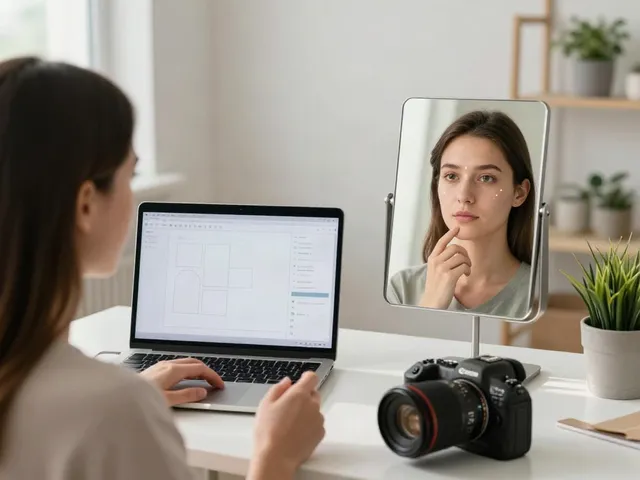
The mechanics behind attractiveness tests typically involve uploading a photograph, which is then analyzed by AI algorithms. These algorithms utilize databases of facial data to compare and calculate scores based on various metrics:
- Facial Symmetry: Studies suggest that symmetrical faces are often deemed more attractive. Tests evaluate the symmetry between left and right facial features.
- Golden Ratio: This mathematical ratio has historically been associated with beauty. Many tests assess how closely a face adheres to this ratio.
- Proportionality: The ideal proportions of facial features—such as the distance between the eyes, nose, and mouth—are considered in the scoring process.
- Cultural Factors: Different cultures may have varying beauty standards, which some tests incorporate into their assessments.
Why Are Attractiveness Tests Trending in 2026?
The trend of attractiveness tests is partly a reaction to the pervasive nature of social media, where appearances are often emphasized. The ability to receive immediate feedback on one’s looks can be both empowering and enlightening. Moreover, with the increasing acceptance of technology in personal assessments, these tests provide a novel way for individuals to understand and improve their image. Coupled with the desire for self-improvement, this phenomenon underscores a cultural shift towards valuing self-awareness and personal insight.
The Science Behind Beauty and Attractiveness
Facial Symmetry and Its Influence
Research has consistently indicated that facial symmetry plays a significant role in perceptions of attractiveness. Studies show that individuals with more symmetrical faces are often rated as more attractive across various cultures. This phenomenon can be attributed to evolutionary advantages, where symmetrical features may signal health and genetic fitness. The science behind this is rooted in the idea that symmetrical faces are typically perceived as more trustworthy and desirable.
The Role of Cultural Standards in Attractiveness
Attractiveness is subject to cultural influences, where different societies may have unique ideals of beauty. For instance, in Western cultures, traits like a slim physique and clear skin are often celebrated, while other cultures may prioritize different attributes. Understanding these nuances is essential for interpreting the results of attractiveness tests. They not only reflect individual assessments but also highlight broader societal trends surrounding beauty and desirability.
AI and Technology Advancements in Facial Analysis
The integration of artificial intelligence in attractiveness assessments has transformed how we evaluate beauty. With deep learning algorithms, AI can analyze and provide ratings much faster and more accurately than traditional methods. These technological advancements make it easier to understand complex aesthetic principles and democratize access to beauty evaluations, allowing anyone with a smartphone to assess their attractiveness.
Benefits of Taking an Attractiveness Test
Boosting Self-Confidence and Personal Insight
One of the primary benefits of taking an attractiveness test is the boost in self-confidence it can bring. By receiving constructive feedback, individuals may gain a clearer understanding of their unique features and how they are perceived by others. This insight can empower people to embrace their individuality rather than conform to societal norms.
Understanding Beauty Through Data-Driven Feedback
Data-driven feedback from these tests provides a more objective view of one’s appearance. Instead of relying solely on subjective opinions from peers, individuals can refer to algorithm-based evaluations, which can be less biased and more reflective of general beauty standards. This objectivity is crucial for helping people navigate their self-image in a constructive manner.
Enhancing Your Social Interactions and Connections
Understanding one’s attractiveness can also enhance social interactions. By being more aware of their strong and weak points, individuals can tailor their approach to relationships, both personal and professional. In contexts such as dating, knowing how one’s features are perceived can lead to more meaningful connections and improved self-presentation.
Common Misconceptions About Attractiveness Tests
Are Attractiveness Tests Accurate?
Many skeptics question the accuracy of attractiveness tests, citing that beauty is subjective and influenced by numerous factors beyond facial features alone. While these tests can provide insights based on statistical averages, they should not be seen as definitive measurements of worth or attractiveness. It’s important to consider them as tools for self-reflection rather than absolute judgments.
Do They Promote Unrealistic Beauty Standards?
Critics argue that by presenting a numeric or categorical score, attractiveness tests can inadvertently promote unrealistic beauty standards. However, responsible use of these tests acknowledges the diversity of beauty and serves as a conversation starter about societal pressures. True beauty extends beyond mere numbers and should encompass a broader appreciation for unique features.
Who Should Take an Attractiveness Test?
Attractiveness tests can be beneficial for anyone seeking personal insight into their appearance. They are particularly useful for individuals who are exploring their self-image, those engaged in the online dating scene, or anyone looking to enhance their confidence. However, it’s crucial to approach these tests with an open mind and an understanding of their limitations.
Future Trends in Attractiveness Assessments
Innovative Features in Attractiveness Testing Apps
The future of attractiveness tests is likely to see enhancements driven by advances in technology. Apps may incorporate features that allow users to compare their results over time, track changes in their appearance, and receive personalized beauty tips based on their unique attributes. Innovations could also include features that leverage augmented reality to visualize different styles or makeup effects.
Integrating Social Media with Attractiveness Tests
As social media continues to dominate how we engage with one another, it’s probable that attractiveness tests will become more integrated into these platforms. Users may share their scores on social media, facilitating discussions around beauty standards and experiences, thereby fostering a community focused on understanding and self-acceptance.
Predictions for the Evolution of Beauty Standards by 2026
As we move further into 2026, it’s expected that beauty standards will continue to evolve and diversify. Increased awareness of body positivity and representation implies that attractiveness tests will reflect a broader spectrum of beauty, embracing varying ethnicities, body types, and individual quirks. This shift may promote a healthier dialogue around self-image and societal expectations.
What Are the Most Popular Attractiveness Tests?
Among the myriad of options available, some of the most popular attractiveness tests include those that utilize facial landmark analysis, while others may focus on subjective user feedback. Tests like the “Rate My Face” tool or those featured on social media platforms provide entertainment value in addition to feedback, allowing users to see how they measure up against peers.
Can Attractiveness Tests Enhance Dating Experiences?
In the realm of dating, attractiveness tests can serve as icebreakers and conversation starters. Individuals might share their scores as a fun way to engage, fostering a lighter atmosphere. Furthermore, improved self-awareness garnered from these tests can help refine one’s approach to finding a suitable partner, enhancing overall dating experiences.
Are These Tests Scientifically Validated?
The scientific validation of attractiveness tests varies significantly. While many tests are based on established theories of beauty, the subjective nature of attractiveness means that results can be inconsistent. Users should approach test outcomes as guides for self-reflection rather than definitive answers.
How to Use Your Results for Personal Growth?
Using the insights gained from attractiveness tests can aid personal growth by encouraging self-acceptance and awareness. By evaluating feedback and identifying areas for improvement, individuals can develop a more positive self-image. This journey may include experimenting with different styles, enhancing grooming habits, or engaging in self-care practices.
What Ethical Considerations Are Involved in Attractiveness Testing?
The ethical implications of attractiveness testing are multifaceted. There is a responsibility on the part of developers to ensure that tests are designed and marketed in a way that promotes healthy body image and does not exacerbate insecurities. Furthermore, users should be reminded to prioritize their mental health and recognize that beauty is ultimately subjective.