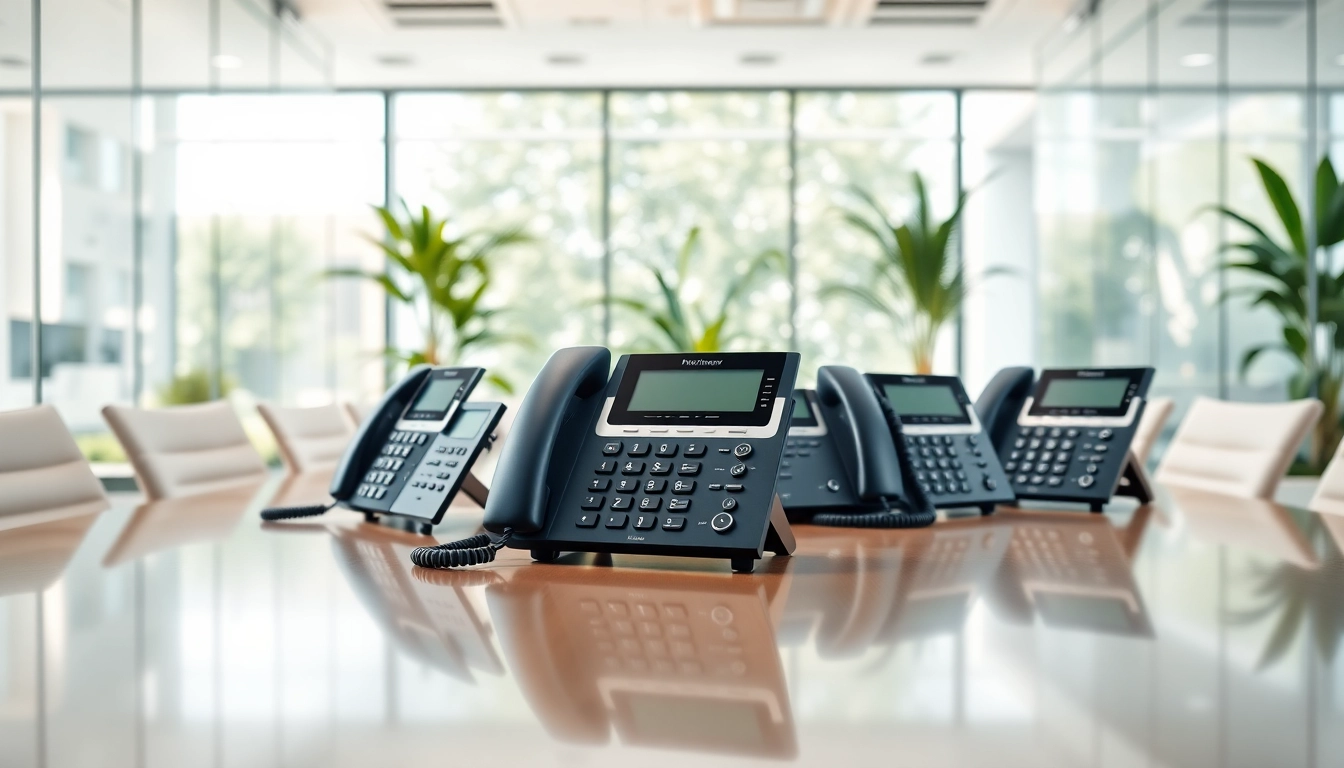
Understanding Office Phone Systems
What Are Office Phone Systems?
Office phone systems are essential communication tools that allow businesses to manage calls efficiently. These systems not only facilitate voice communication but also include various features that support multi-channel communication, such as video calls, messaging, and conferencing. An effective office phone system streamlines both internal and external communication, contributing to enhanced productivity and collaboration among employees. It is crucial for organizations to adopt modern office phone systems that align with their operational needs and customer engagement strategies. In the evolving business landscape, understanding the fundamentals of office phone systems is key to making informed decisions. For more in-depth information on acquiring office phone systems, consider visiting office phone systems.
Types of Office Phone Systems Explained
When choosing an office phone system, businesses have several options to consider. The main types include:
- Traditional Landline Systems: These systems rely on analog signals and telephone lines. While they are easy to use, they often lack advanced features.
- VoIP (Voice over Internet Protocol): VoIP technology uses the internet for phone calls and offers greater flexibility, advanced features, and cost savings.
- Hybrid Systems: Combining both traditional and VoIP capabilities, hybrid systems provide businesses with more options to manage their communication.
- Hosted PBX Systems: A cloud-based communication system allows businesses to utilize their phone services over the internet without the need for extensive on-site hardware.
Each type of system comes with its own set of features, benefits, and limitations. Understanding these differences helps businesses choose a system that best fits their operational needs.
Benefits of Upgrading Your Office Phone Systems
Upgrading to a modern office phone system can transform how a business communicates. Key benefits include:
- Enhanced Communication Features: Advanced features like call forwarding, voicemail-to-email, video conferencing, and scalability improve communication across the board.
- Cost Efficiency: Modern systems, especially VoIP, significantly reduce communication costs, particularly for international calls.
- Increased Mobility: Employees can take their business calls from anywhere, improving accessibility and responsiveness.
- Improved Collaboration: Features like team messaging and conferencing tools foster better teamwork and project management.
An upgraded office phone system not only streamlines communication but also enhances overall productivity, making it a worthwhile investment for businesses of all sizes.
Key Features to Look for in Office Phone Systems
Essential Features for Everyday Use
When evaluating office phone systems, certain features are indispensable for day-to-day operations. Prioritizing these essential features ensures your system meets core communication needs:
- Call Handling: Features such as call waiting, call transfer, and three-way calling can facilitate smoother communication.
- Voicemail: Integrated voicemail systems with features like voicemail-to-email enhance access to messages.
- Auto Attendant: This feature automates call routing, improving customer experience.
- Caller ID: Knowing who is calling can help in prioritizing interactions and responding effectively.
Advanced Functionality to Enhance Communication
For businesses looking to elevate their communication strategies, advanced functionalities are crucial. These include:
- Video Conferencing: Enabling face-to-face interaction remotely can strengthen relationships.
- CRM Integration: Seamless connection with Customer Relationship Management tools aids in tracking customer interactions.
- Mobile Apps: Applications that enable access to system features via smartphones improve flexibility.
- Analytics and Reporting: Insights on call patterns and performance can guide future strategic decisions.
Technology Trends Shaping Office Phone Systems
Staying abreast of technological advancements can inform your office phone system decision-making:
- AI and Automation: Utilizing AI in customer interactions, such as virtual assistants, enhances response time and customer satisfaction.
- Cloud Communication: The shift towards cloud-based systems allows for remote operations and scalability.
- Unified Communications: Integrating various communication tools into one platform improves accessibility and streamlines workflows.
All these trends can significantly enhance how businesses utilize communication technology and drive efficiency.
Implementing Your Office Phone Systems
Planning the Setup of Your Office Phone Systems
Successfully implementing an office phone system begins with meticulous planning. Steps to consider include:
- Assess your needs: Identify the communication requirements of different teams and departments.
- Choose the right solution: Based on assessed needs, select an appropriate system type and provider.
- Outline the budget: Consider both initial setup costs and ongoing expenses.
- Prepare your infrastructure: Ensure your internet and networking capabilities can support the chosen system.
Common Challenges During Installation
Installation can come with hurdles, but being prepared can alleviate many issues. Common challenges include:
- Technical Compatibility: Ensure new systems are compatible with existing hardware and software.
- Employee Training: Proper training is necessary to ensure staff can use the new systems efficiently.
- Disruption of Services: Plan installation during off-peak hours to minimize disruption.
Ensuring a Smooth Transition to a New System
A smooth transition can be achieved through the following best practices:
- Develop a Transition Plan: Outline the steps necessary for implementing the new system.
- Engage Employees: Communicate changes clearly and involve staff in troubleshooting new processes.
- Monitor Performance: Keep track of system performance post-installation, addressing issues swiftly.
Comparing Costs of Different Office Phone Systems
Understanding Price Models in the Market
When considering office phone systems, understanding different pricing models is essential. You can typically encounter:
- Per-user Pricing: Businesses pay a fee for each user, allowing flexibility as your team grows.
- Flat-Rate Pricing: A predictable monthly fee regardless of usage, suited for businesses with stable communication needs.
- Tiered Pricing: Varies based on features and capabilities, allowing businesses to choose a plan that best fits their needs.
Budgeting for Your Office Phone Systems
Creating an effective budget involves assessing not only the costs but also the potential ROI from improved communication efficiencies. Be sure to include:
- Initial Setup Costs: Hardware, installation, and setup fees should all be considered.
- Ongoing Subscription Fees: Evaluate the recurring costs associated with the chosen system.
- Potential Savings: Identify areas where improved communication could drive down costs or boost revenue.
Cost-Benefit Analysis of Various Options
Conducting a cost-benefit analysis helps businesses identify which system offers the best value. Key factors to consider include:
- Feature Set: Compare the features of various systems to determine how they align with your operational needs.
- Long-term Costs: Assess not just initial costs but the long-term expenses associated with maintenance and upgrades.
- Business Growth Potential: Consider how easily the system can scale with your business.
Evaluating the Success of Your Office Phone Systems
Key Metrics to Measure Performance
To assess the effectiveness of your office phone system, track these key performance indicators:
- Call Volumes: Measuring the inbound and outbound call volumes gives insight into system utilization.
- Downtime: Monitoring system uptime can reflect reliability and technical issues.
- Customer Satisfaction: Gathering feedback from customers on their communication experience aids improvement efforts.
Feedback and Continuous Improvement
Establishing a feedback loop with both employees and customers is vital for continuous improvement:
- Surveys: Conduct regular surveys to gauge user experiences and identify pain points.
- Focus Groups: Engage small groups for in-depth discussions about system effectiveness and additional features.
- Iterative Improvements: Use feedback to make gradual improvements to the system or training processes.
Staying Updated with New Features
The landscape of office phone systems is constantly evolving. To ensure the system remains effective:
- Follow Industry Trends: Keep updated on innovations and features that can benefit your communication processes.
- Regular Upgrades: Invest in upgrades as new features are released, staying ahead of competitors.
- Training Sessions: Offer regular training to equip staff with the latest tools and features available.
Frequently Asked Questions
What is an office phone system?
An office phone system manages all business communication needs, including phone calls, video conferencing, and collaboration tools.
How do I choose the right office phone system?
Assess your business needs, consider customer access, evaluate cost models, and look for essential features before deciding.
What are the benefits of VoIP office phone systems?
VoIP systems offer cost savings, mobility, advanced features, and scalability, making them popular for modern businesses.
How can I ensure a smooth transition to a new phone system?
Develop a transition plan, communicate changes effectively, and schedule training sessions for employees to ease the transition.
What metrics should I track to measure the success of my office phone system?
Track call volumes, downtime, customer satisfaction, and employee feedback to evaluate the system's effectiveness.
Contact Information
Address:Fareham Innovation Centre, PO13 9FUEmail Us:[email protected]Call Us:0333 015 2615